
Overview of material and structure of waterproof cable
author: Zhejiang Linquick Technology Co., Ltd.
2023-08-18
Summary: water blocking cable materials
Water blocking materials can be roughly divided into two categories, active water blocking and passive water blocking. Active water blocking is the use of active water blocking material of water absorption expansion, in the sheath or joint damage, water blocking material expansion, limiting water penetration in the channel, such materials are water absorption expansion ointment, water blocking, water blocking powder, water blocking yarn, water blocking rope; Passive water blocking is to use the hydrophobicity of passive water blocking materials to block water outside at the damage of the protective layer, such materials include petroleum filling paste, hot melt adhesive, thermal expansion ointment and so on.
Water blocking materials can be roughly divided into two categories, active water blocking and passive water blocking. Active water blocking is the use of active water blocking material of water absorption expansion, in the sheath or joint damage, water blocking material expansion, limiting water penetration in the channel, such materials are water absorption expansion ointment, water blocking, water blocking powder, water blocking yarn, water blocking rope; Passive water blocking is to use the hydrophobicity of passive water blocking materials to block water outside at the damage of the protective layer, such materials include petroleum filling paste, hot melt adhesive, thermal expansion ointment and so on.
First, passive water blocking materials
Filling the cable with passive water blocking material petroleum paste is the main measure of water blocking in the early power cable. This method can effectively prevent the water outside the cable, but the filling of petroleum paste has the following disadvantages:
1. Greatly increase the weight of the cable;
2. The conductivity of cable core decreases;
3. The oil paste is seriously polluted to the cable joint and difficult to clean;
4. The complete filling process is not easy to control, and the filling is not full, resulting in poor water blocking effect.
Filling the cable with passive water blocking material petroleum paste is the main measure of water blocking in the early power cable. This method can effectively prevent the water outside the cable, but the filling of petroleum paste has the following disadvantages:
1. Greatly increase the weight of the cable;
2. The conductivity of cable core decreases;
3. The oil paste is seriously polluted to the cable joint and difficult to clean;
4. The complete filling process is not easy to control, and the filling is not full, resulting in poor water blocking effect.
Second, active water blocking materials
At present, the active water blocking materials used in cables are mainly water blocking hose, water blocking powder, water blocking rope and water blocking yarn. Compared with petroleum paste, the basic characteristics of active water blocking materials are strong water absorption and high expansion rate, which can absorb water strongly and expand rapidly, forming a gel-like substance to block the seepage channel, so as to ensure the safety of cable insulation. In addition, the active water blocking material is light in weight, clean, easy to lay and connect, but the active material also has some shortcomings:
1. It is difficult to attach the water-blocking powder;
2. Water block or water block yarn will cause the outer diameter to increase, heat dissipation difficulty, accelerate the cable thermal aging and limit the cable transmission capacity;
3. Active water blocking materials are generally more expensive.
At present, the purpose of preventing water from penetrating into the insulation layer through the protective layer is mainly to increase the waterproof layer in China. However, in order to achieve the comprehensive water resistance of the cable, it is necessary to consider not only the radial water penetration of the cable, but also the longitudinal diffusion along the cable after effectively preventing the water from invading the cable.
At present, the active water blocking materials used in cables are mainly water blocking hose, water blocking powder, water blocking rope and water blocking yarn. Compared with petroleum paste, the basic characteristics of active water blocking materials are strong water absorption and high expansion rate, which can absorb water strongly and expand rapidly, forming a gel-like substance to block the seepage channel, so as to ensure the safety of cable insulation. In addition, the active water blocking material is light in weight, clean, easy to lay and connect, but the active material also has some shortcomings:
1. It is difficult to attach the water-blocking powder;
2. Water block or water block yarn will cause the outer diameter to increase, heat dissipation difficulty, accelerate the cable thermal aging and limit the cable transmission capacity;
3. Active water blocking materials are generally more expensive.
At present, the purpose of preventing water from penetrating into the insulation layer through the protective layer is mainly to increase the waterproof layer in China. However, in order to achieve the comprehensive water resistance of the cable, it is necessary to consider not only the radial water penetration of the cable, but also the longitudinal diffusion along the cable after effectively preventing the water from invading the cable.
Polyethylene (inner sheath) waterproof isolation jacket Extruded polyethylene water blocking layer combined with a moisture absorbing cushion (such as water blocking tape) can meet the longitudinal water and moisture resistance requirements of cables laid in general humid environments. The water blocking layer of polyethylene material is easy to achieve in the process, without adding equipment. If the cable is laid in water or a particularly humid environment, the radial water resistance of the polyethylene waterproof isolation sleeve is insufficient. For cables with high radial water resistance performance, a layer of aluminum-polyethylene composite tape is now used more in the cable core. Its water sealing is hundreds or even thousands of times higher than a single polyethylene, as long as the joint of the composite belt is completely bonded and sealed moisture is almost impenetrable. Aluminum-polyethylene composite tape needs to adopt longitudinal packaging process and bonding process, which requires certain capital investment and equipment transformation.
In engineering practice, the realization of longitudinal water resistance is more complicated than that of radial water resistance. Longitudinal water resistance has also been used in many ways, such as changing the conductor to a compact structure, but the effect is not obvious, because there is a gap in the conductor of the compact structure, water will still spread through the siphon effect. In order to realize the real longitudinal water resistance, the water resistance material must be filled in the gap of the stranded conductive wire core. The longitudinal water resistance of the cable can be achieved through the following two levels of measures and structures: 1. Use a water-blocking conductor. Add water-blocking rope, water-blocking powder, water-blocking yarn or wrap water blocking hose when stranding tight conductors; 2. Use water-blocking cable core. In the cable core forming process, fill the water-blocking yarn, rope and wrap the semi-conductive resistance hose or insulation hose.
At present, the problem of longitudinal water-blocking conductor lies in water-blocking conductor. How to fill water-blocking material between conductors and what kind of water-blocking material is always a hot research issue.
At present, the problem of longitudinal water-blocking conductor lies in water-blocking conductor. How to fill water-blocking material between conductors and what kind of water-blocking material is always a hot research issue.
conclusion
Radial water blocking technology is mainly used to wrap a waterproof isolation layer around the conductor insulation layer, and add a moisture absorbing pad outside the waterproof isolation layer. Medium voltage cables generally use aluminum-plastic composite tape, and high voltage cables use metal sealing sleeves of lead, aluminum and stainless steel. The longitudinal water blocking technology is mainly used to fill the gap between the conductive wire core with water blocking material to block the diffusion channel of water in the cable core. From the current technical development point of view, longitudinal water blocking with water blocking powder filling is relatively good. The realization of cable waterproof will inevitably affect the heat dissipation and electrical conductivity of the cable, and the appropriate water-blocking cable structure should be selected or designed according to the actual needs of the project.
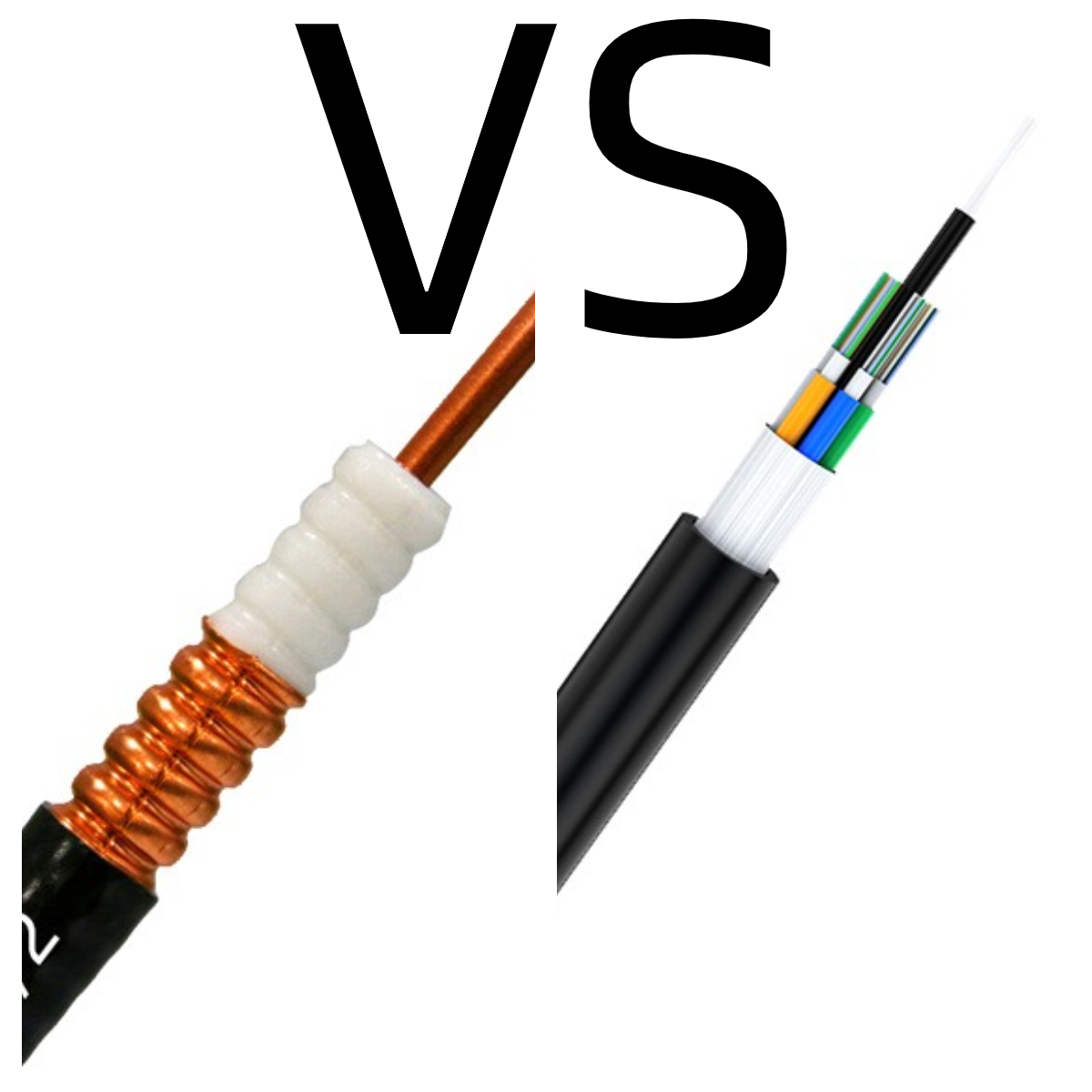 Analysis of advantages of Copper cables and Optic fiber
 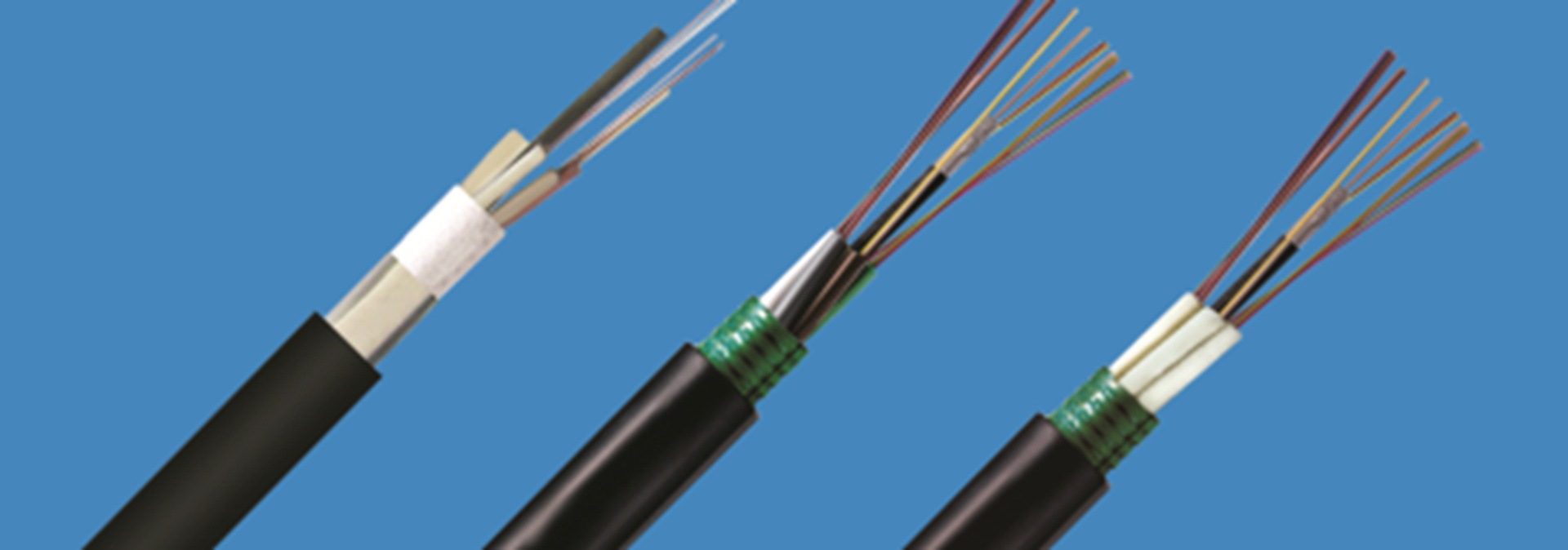 Structure and type of optical cable
 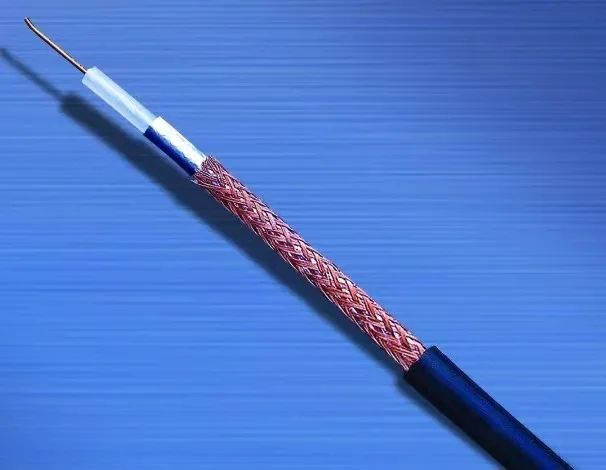 Discussion on measurement method of characteristic impedance of RF coaxial cable
 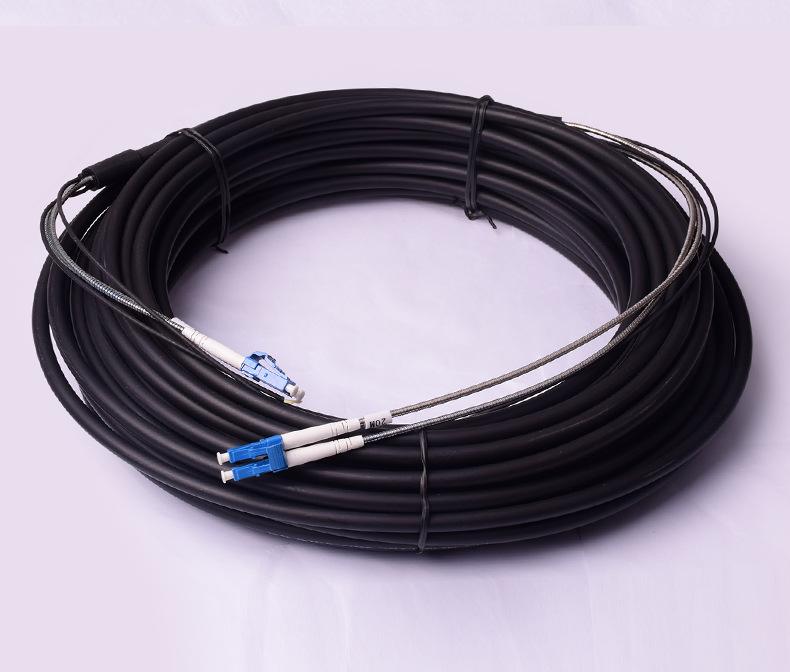 What is a fiber optical feeder cable
  Zhejiang Linquick Technology will participate in the 134th Canton Fair
 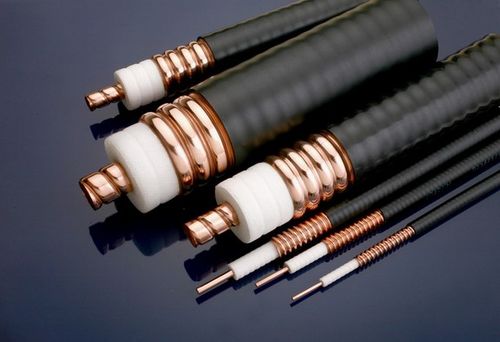 Introduction to RF coaxial cable
 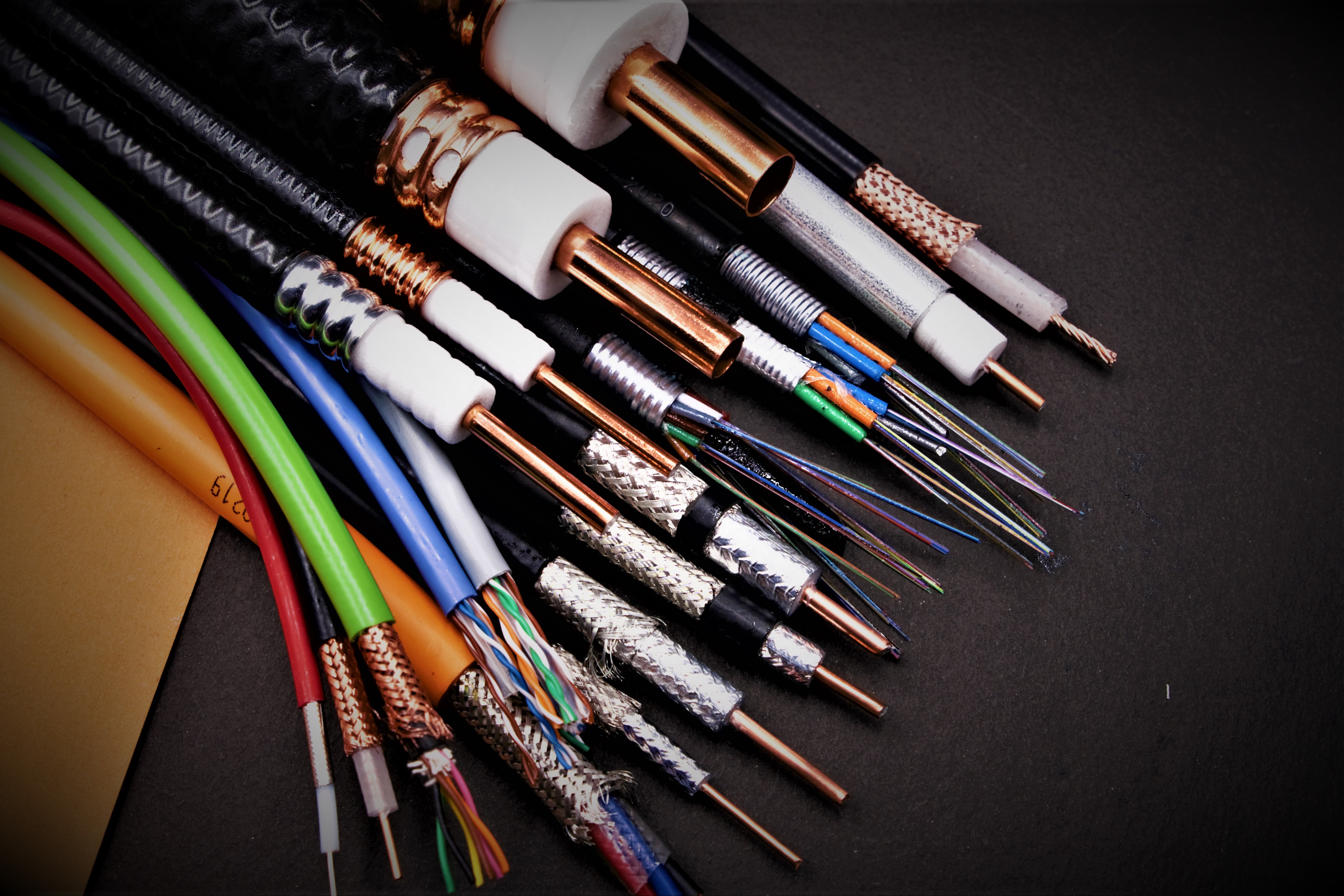 Five common cable classification
 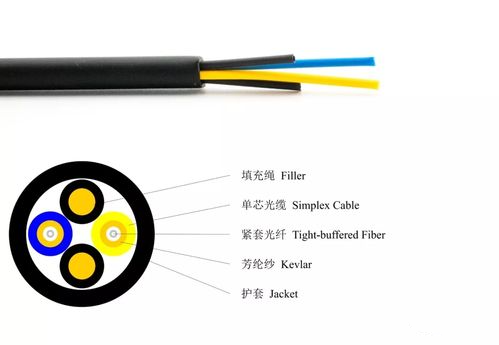 What is FTTA Remote Cable
  Test for insulation and sheath thickness of wire and cable products
  Congratulations to Zhejiang Linquick 24th CIOE a complete success
  Structure and type of optical cable
  Outdoor optical cables: the link that connects the world
  Analysis and improvement of drop cable fiber attenuation problem
  Wire and cable quality test three important indicators
  Laying method of communication optical cable
  Teach you to identify and choose coaxial cable and twisted pair
  Process requirements and instructions for armored cables
  A brief discussion on the application of cluster wire
 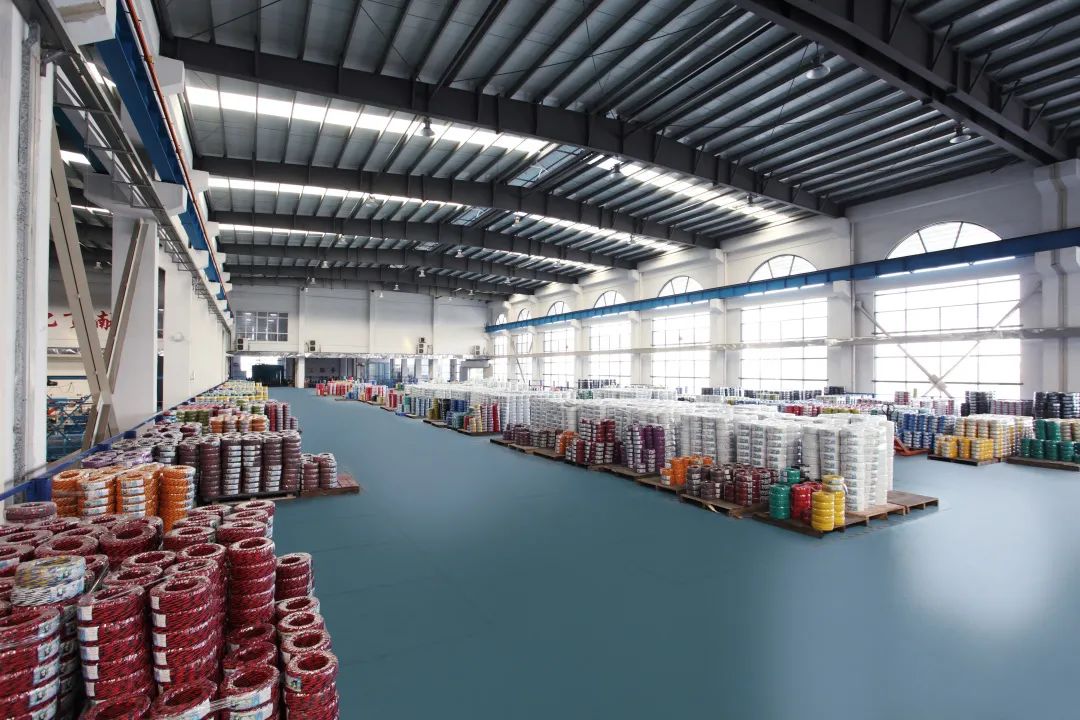 Safety requirements and storage methods for wire and cable use
 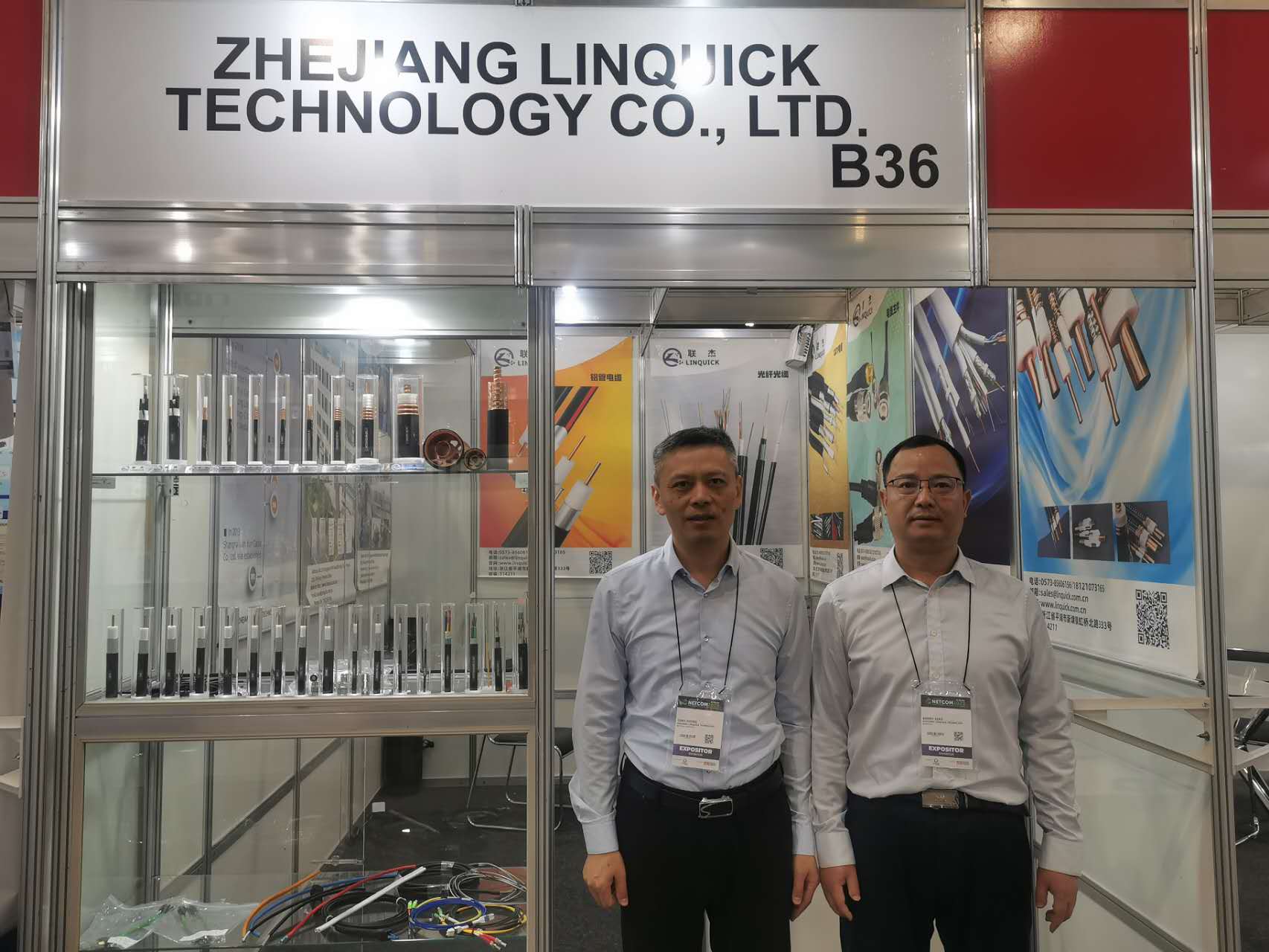 Zhejiang Linquick NETCOM2023 exhibition was successfully held