
What is FTTA Remote Cable
author: Zhejiang Linquick Technology Co., Ltd.
2023-09-22
As smartphone and tablet users continue to increase, according to global mobile data traffic (2015-2020), there will be 5.5 billion mobile data users in 2020, accounting for 70% of the world's population.
In 2020, 5G will be launched to meet enterprise and customer demand for faster speeds and support the Internet of Things. So service providers are preparing to upgrade their network infrastructure to meet this demand.
Service providers are making fiber the new norm for telecom tower construction by replacing older coax-based systems with fiber technology in order to provide greater capacity for their cellular towers.
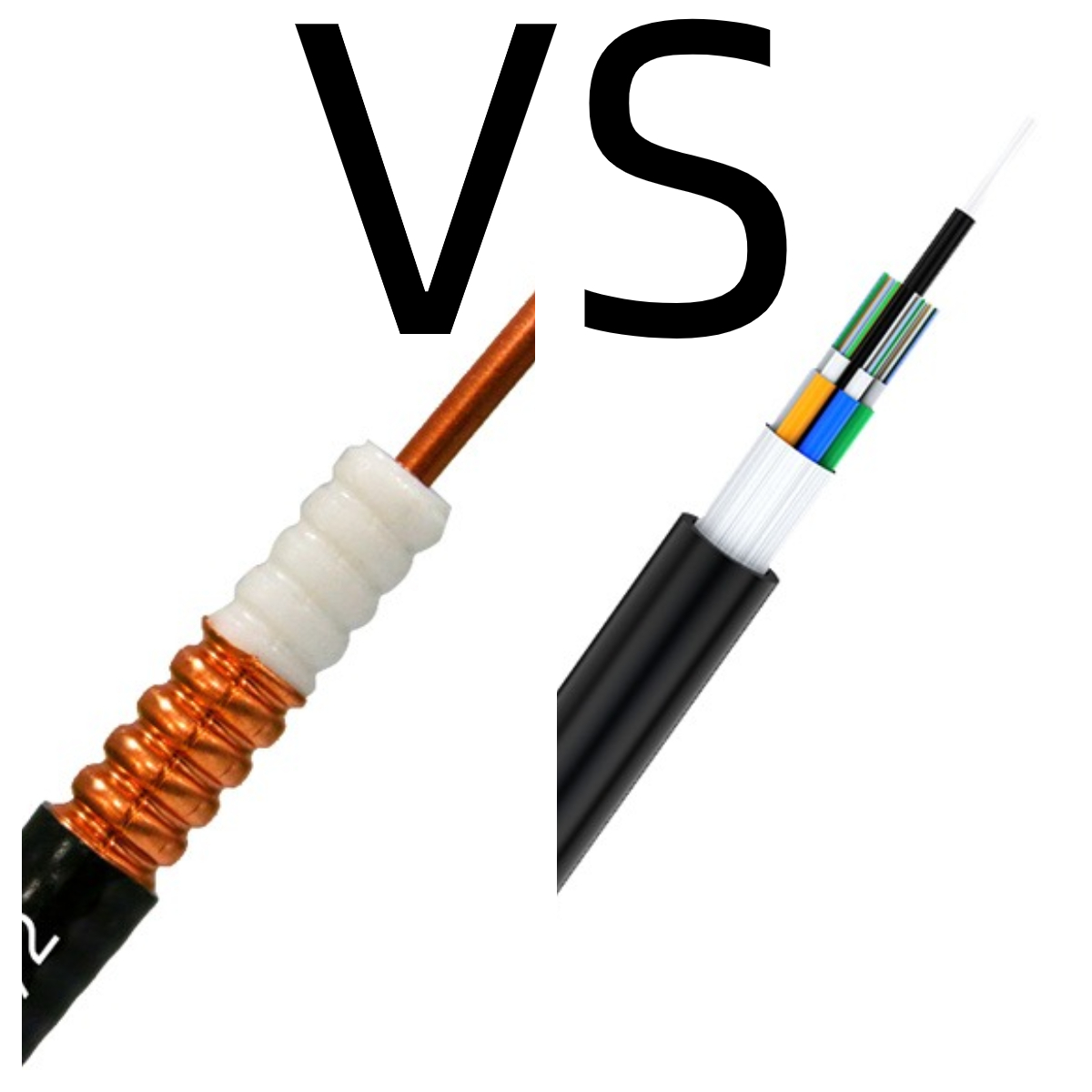
Among them, the use of fiber optic cables will be greatly improved. Because increased bandwidth means more antennas, which translates into more fiber optic cables, and coaxial cables add more weight and wind resistance to the tower than the tower can bear. Another advantage of using FTTA is that it eliminates tower amplifiers because the RRH is replaced at the top of the antenna and generates the signal from there. The FTTA also allows the RRH at the top of the antenna to be cooled with natural air without the need for a conditioning system, reducing losses.
More importantly, the FTTA architecture allows baseband units (BBus) to be placed in the most convenient location, rather than being forced to jam by RRH.
What is a fiber optic cable?
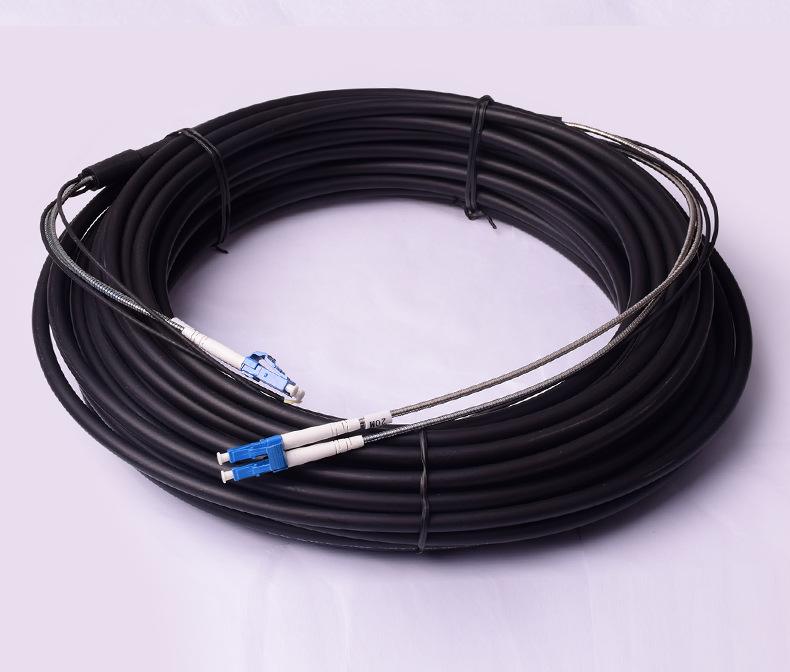
Fiber optic cable is used to pull the digital baseband IQ signal far away, and the RF conversion is completed on the tower. The radio frequency remote module pulls the radio frequency part of the base station away through the optical fiber to realize the separation of the radio frequency part of the base station and the baseband part, so that the large-capacity base station can be centrally placed in the accessible central equipment room, and the baseband part is centrally processed. Using this technology, it can save a large number of computer rooms required in the conventional network construction mode, save the investment of baseband unit, reduce the loss of feeders, and reduce the problem caused by the large number of feeders in the traditional radio frequency remote mode. Due to the use of digital signal transmission, the pulling distance has also been greatly improved, up to 40km.
Pull far cable advantages:
1. Reduce construction costs: reduce feeder losses and reduce the power of the power amplifier
2. Reduce operating costs: rational utilization of base station resources and centralized placement of base station baseband parts
3. To achieve rapid network construction: baseband and radio frequency are placed separately, so that the project construction has a strong flexibility
4. Easy to optimize and adjust the network: according to the characteristics of the surrounding environment of the base station, the standard cellular structure is built, which reduces the difficulty of network optimization.
5. Rational use of optical network resources: the new optical cable network can also be used for data access, video surveillance and so on.
6. Indoor coverage: effective use of network resources, reduce costs, improve the quality of network coverage.
 Analysis of advantages of Copper cables and Optic fiber
 Structure and type of optical cable
 Discussion on measurement method of characteristic impedance of RF coaxial cable
 What is a fiber optical feeder cable
 Zhejiang Linquick Technology will participate in the 134th Canton Fair
 Introduction to RF coaxial cable
 Five common cable classification
 Test for insulation and sheath thickness of wire and cable products
 Congratulations to Zhejiang Linquick 24th CIOE a complete success
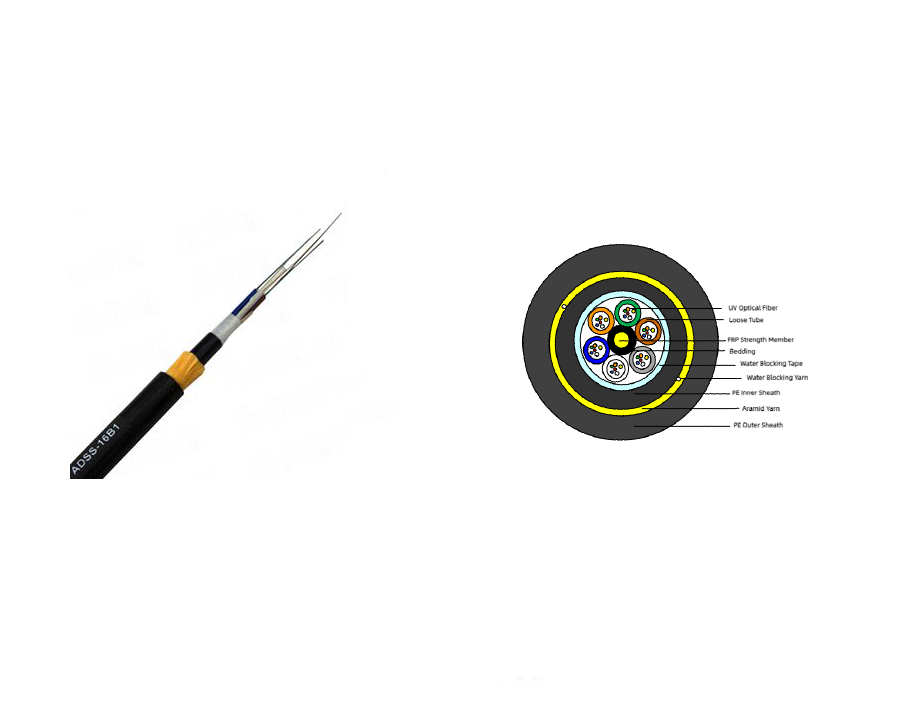 Structure and type of optical cable
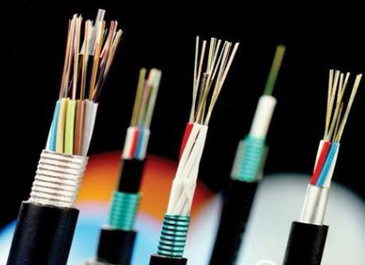 Outdoor optical cables: the link that connects the world
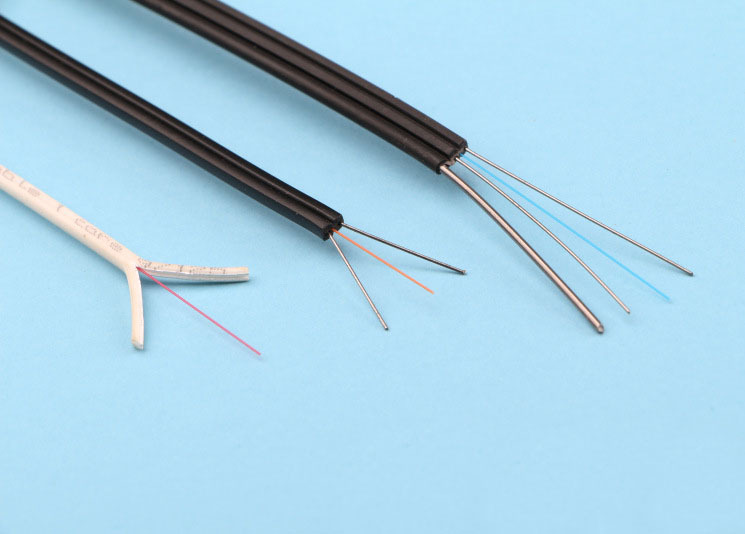 Analysis and improvement of drop cable fiber attenuation problem
 Wire and cable quality test three important indicators
 Laying method of communication optical cable
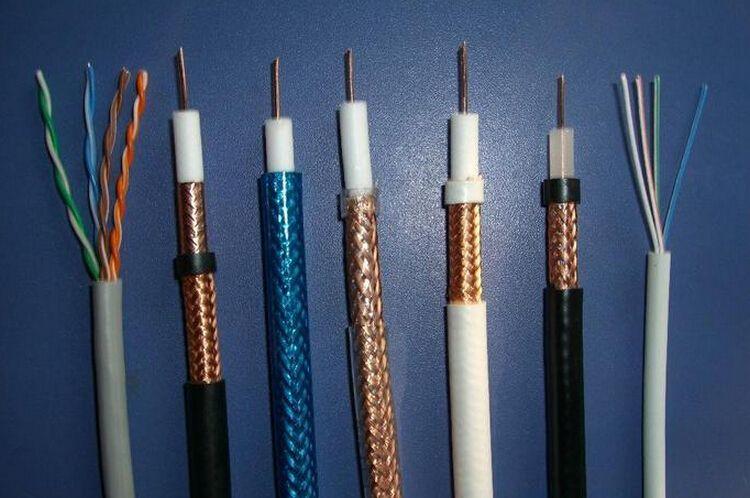 Teach you to identify and choose coaxial cable and twisted pair
 Overview of material and structure of waterproof cable
 Process requirements and instructions for armored cables
 A brief discussion on the application of cluster wire
 Safety requirements and storage methods for wire and cable use
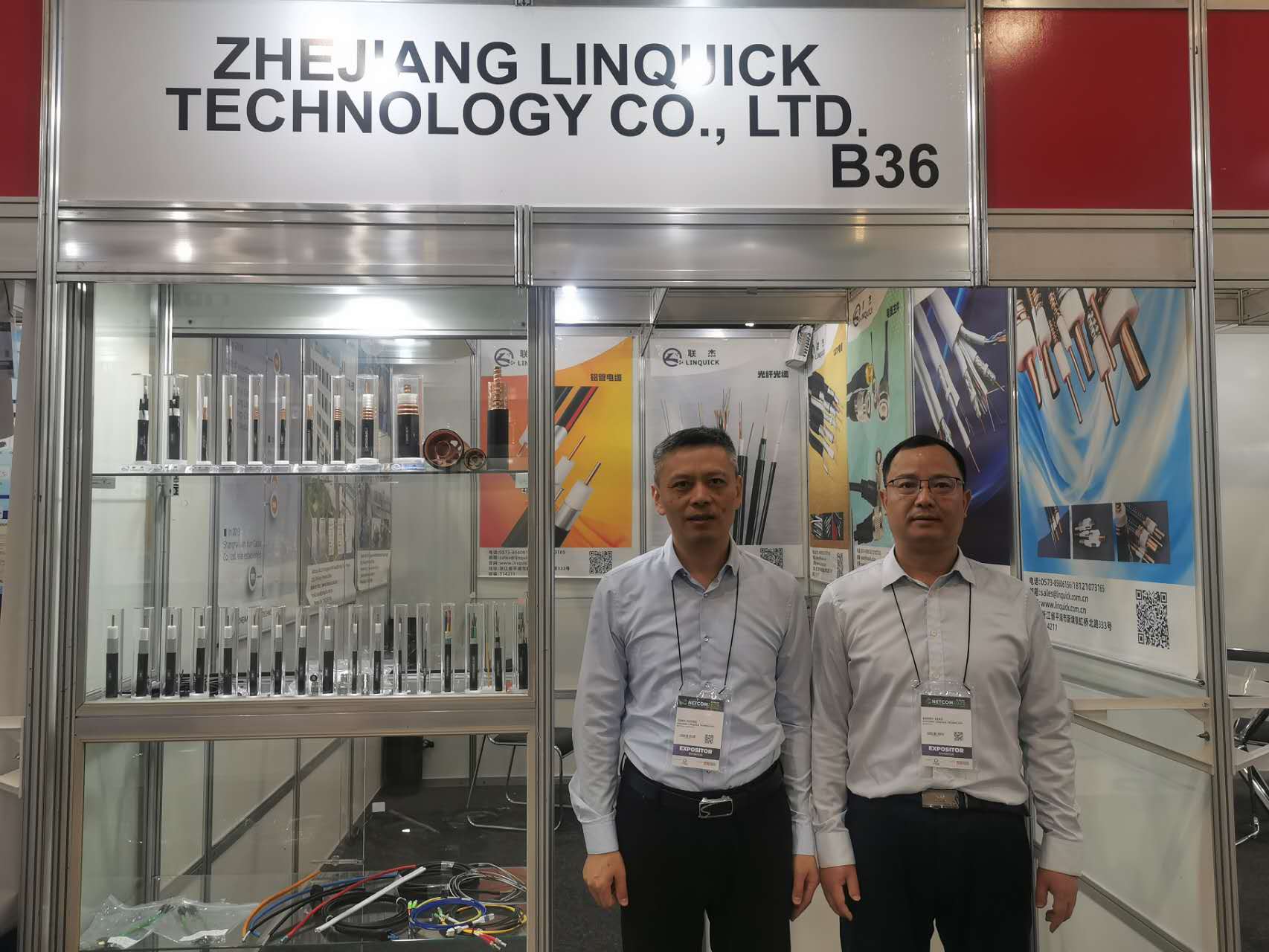 Zhejiang Linquick NETCOM2023 exhibition was successfully held