
Introduction to RF coaxial cable
author: Zhejiang Linquick Technology Co., Ltd.
2023-10-10
The name of the RF coaxial cable is related to its structure. RF coaxial cable is also one of the most common transmission media in the local area network. A pair of conductors used to transmit information is selected according to a layer of cylindrical outer conductor sleeve inner conductor (a thin core) outside the structure of insulation materials between the two conductors isolated from each other. The outer conductor and the center core wire are on the same axis, so it is called radio frequency coaxial cable. It is also to prevent external electromagnetic waves from interfering with the transmission of abnormal signals.
First, the Structure of RF coaxial cable:
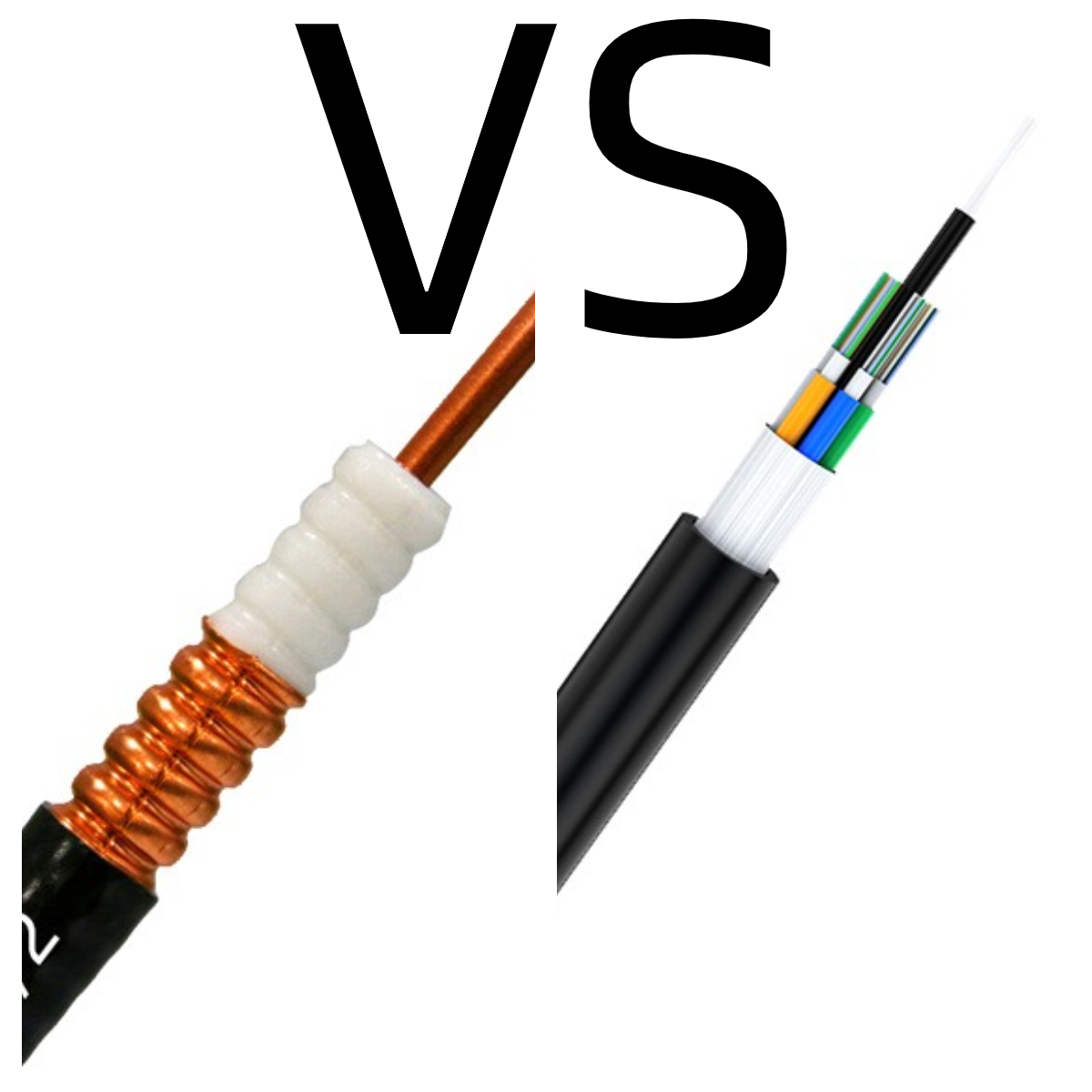
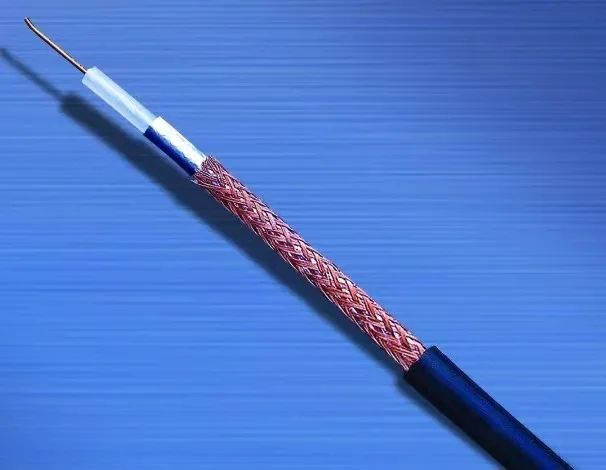
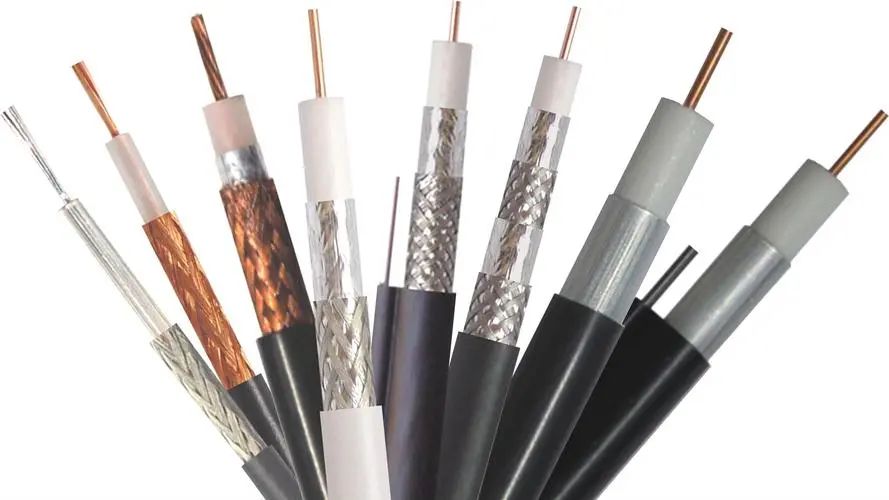
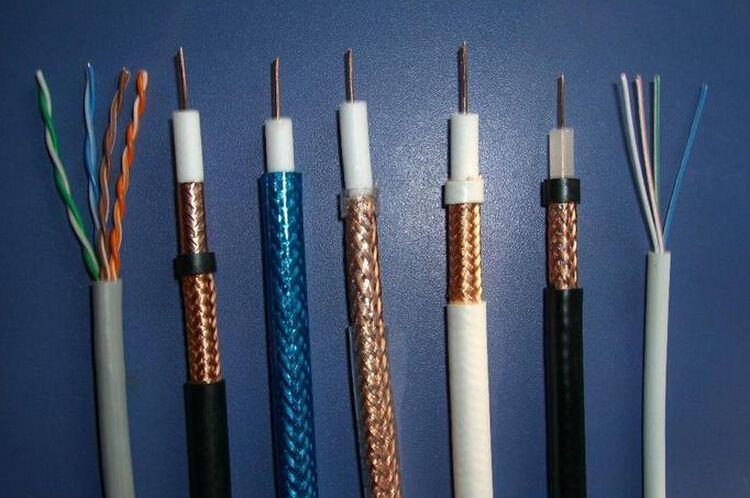
The RF coaxial cable consists of an inner conductor, an insulating medium, an outer conductor (shielding layer), and a sheath
1, the inner conductor is usually composed of a solid conductor, the use of high-frequency signal skin effect, for the need for a power distribution network or trunk recommended to use copper-covered aluminum wire; For the user network that does not need a power supply, copper-clad steel wire can also be used. This not only ensures the transmission performance of the cable but also meets the requirements of power supply and machine performance.
2, the insulating medium can be polyethylene, polypropylene, fluorine plastics, etc. The commonly used insulating medium is polyethylene with low loss and good process performance.
3, the outer conductor of the coaxial cable has a dual role, it is both a wire of the transmission loop and has a shielding effect, the outer conductor usually has three kinds of structures;
4, the outdoor cable should use black polyethylene with excellent climate characteristics, outdoor user cable from the aesthetic consideration should use light-colored polyethylene.
The RF coaxial cable consists of an inner conductor, an insulating medium, an outer conductor (shielding layer), and a sheath
1, the inner conductor is usually composed of a solid conductor, the use of high-frequency signal skin effect, for the need for a power distribution network or trunk recommended to use copper-covered aluminum wire; For the user network that does not need a power supply, copper-clad steel wire can also be used. This not only ensures the transmission performance of the cable but also meets the requirements of power supply and machine performance.
2, the insulating medium can be polyethylene, polypropylene, fluorine plastics, etc. The commonly used insulating medium is polyethylene with low loss and good process performance.
3, the outer conductor of the coaxial cable has a dual role, it is both a wire of the transmission loop and has a shielding effect, the outer conductor usually has three kinds of structures;
4, the outdoor cable should use black polyethylene with excellent climate characteristics, outdoor user cable from the aesthetic consideration should use light-colored polyethylene.
Second, Characteristics of RF coaxial cable:
1. High frequency
2, Small attenuation
3. Small standing wave
4, Good shielding performance
5, High reliability
6. Lightweight
7. High-temperature resistance
8. Resistance to moisture
9, Corrosion resistance
10. No burning
1. High frequency
2, Small attenuation
3. Small standing wave
4, Good shielding performance
5, High reliability
6. Lightweight
7. High-temperature resistance
8. Resistance to moisture
9, Corrosion resistance
10. No burning
Third, Application of RF coaxial cable:
Rf coaxial cable is mainly used in electronic communication equipment, radio communication system RF transmission units, building wiring, and CATV distribution and access networks, with its wide band, high-speed multimedia transmission performance, and wide use.
Rf coaxial cable is mainly used in electronic communication equipment, radio communication system RF transmission units, building wiring, and CATV distribution and access networks, with its wide band, high-speed multimedia transmission performance, and wide use.
Fourth, Service life of RF coaxial cable:
Any cable has a certain life, the cable in use for a period of time, due to the aging of the material, conductor resistance becomes larger, the leakage of the insulating medium increases, when the attenuation constant of the cable than the nominal value increased by 10%-15%, the cable should be updated, the life of the general cable according to the quality and the use of different occasions, between 7-20 years.
Any cable has a certain life, the cable in use for a period of time, due to the aging of the material, conductor resistance becomes larger, the leakage of the insulating medium increases, when the attenuation constant of the cable than the nominal value increased by 10%-15%, the cable should be updated, the life of the general cable according to the quality and the use of different occasions, between 7-20 years.
Fifth, Influencing factors of RF coaxial cable:
1. The inner and outer diameter of the cable and the insulation performance between the inner and outer conductors.
2. Reflection characteristics of the line.
3. Attenuation characteristics.
4. Temperature characteristics.
5. Amplifier characteristics and distance between stages.
6. The firmness of the joint.
7. Closure of insulation resistance.
8. Field waterproof measures, etc.
1. The inner and outer diameter of the cable and the insulation performance between the inner and outer conductors.
2. Reflection characteristics of the line.
3. Attenuation characteristics.
4. Temperature characteristics.
5. Amplifier characteristics and distance between stages.
6. The firmness of the joint.
7. Closure of insulation resistance.
8. Field waterproof measures, etc.
 Analysis of advantages of Copper cables and Optic fiber
  Structure and type of optical cable
  Discussion on measurement method of characteristic impedance of RF coaxial cable
  What is a fiber optical feeder cable
  Zhejiang Linquick Technology will participate in the 134th Canton Fair
  Five common cable classification
  What is FTTA Remote Cable
  Test for insulation and sheath thickness of wire and cable products
  Congratulations to Zhejiang Linquick 24th CIOE a complete success
  Structure and type of optical cable
  Outdoor optical cables: the link that connects the world
  Analysis and improvement of drop cable fiber attenuation problem
  Wire and cable quality test three important indicators
  Laying method of communication optical cable
  Teach you to identify and choose coaxial cable and twisted pair
  Overview of material and structure of waterproof cable
  Process requirements and instructions for armored cables
  A brief discussion on the application of cluster wire
 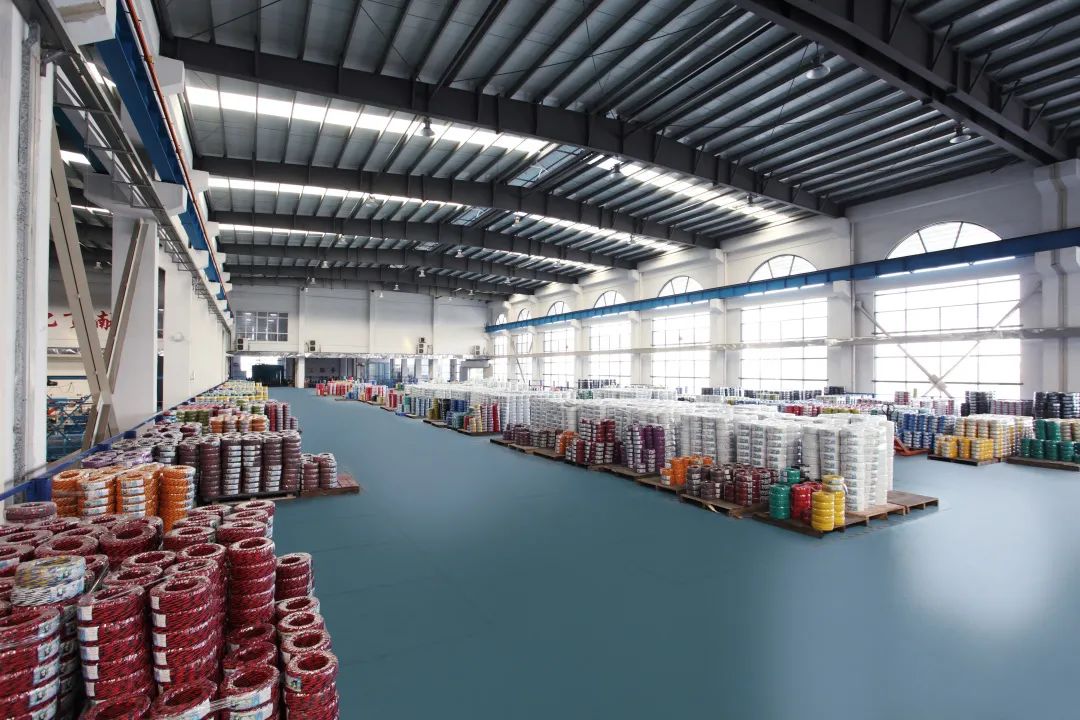 Safety requirements and storage methods for wire and cable use
 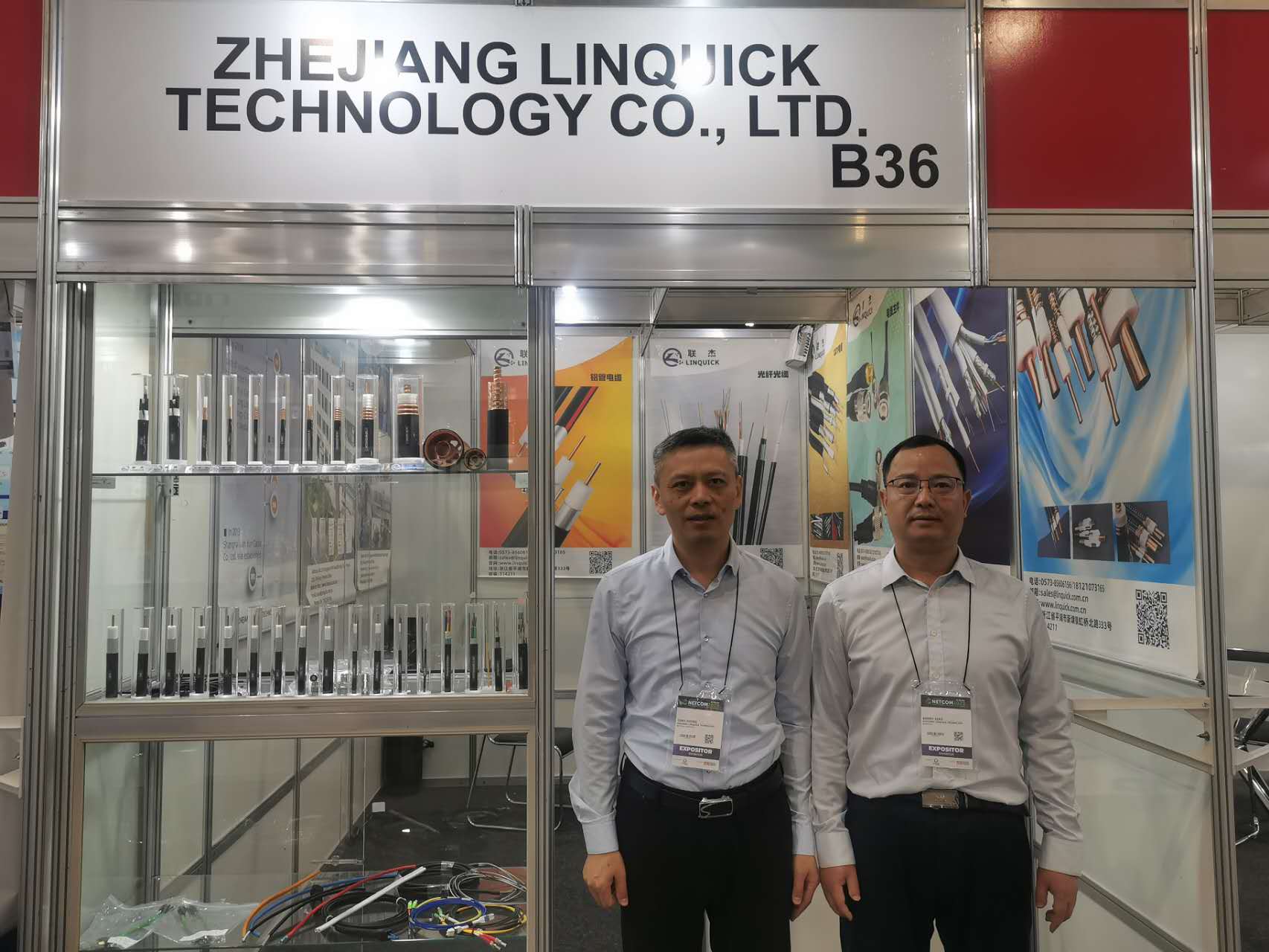 Zhejiang Linquick NETCOM2023 exhibition was successfully held