
Analysis of advantages of Copper cables and Optic fiber
author: Zhejiang Linquick Technology Co., Ltd.
2023-10-31
In the fierce computer industry, to gain an advantage in terms of performance, efficiency and cost, enterprises must constantly improve, and there is a very basic, but equally effective way to improve the deployed data center: rethink the interconnect cable. In the past, the price of copper cable is much cheaper than optical fiber, but in recent years, optical fiber has become more and more popular, and the price of optical cable has not been much different from copper cable. Therefore, in the integrated wiring in the end is to choose copper cable or optical fiber to make the builder very worried, then this article to compare the advantages of copper cable and optical cable, from their respective advantages to choose their own transmission media.
First, the advantages of copper cable
1. Transmission distance:
Depending on network speed requirements, the copper cable can be extended to several meters. This is often more than enough for interconnections inside the data center. Whether connecting servers in a single rack or switches in a cluster, copper cables enable reliable and affordable transmission at the highest available bandwidth.
2. Network cost:
The cost of using copper cable is much lower than that of optical cable. The cost of passive copper cable is 2-5 times lower than that of optical cable of the same length. In a cluster of 1,000 nodes, hundreds of copper cables may be required, which means hundreds of thousands of dollars in savings. With a larger data center, the cost savings can run into millions of dollars. In addition, because the copper cable does not consume electricity, its thermal design requires less cooling, which can significantly save data center operating costs. Using copper cables saves hundreds of kilowatts of power compared to using optical cables.
3, reliability and speed:
One of the biggest advantages of copper cable is reliability. The reliability of a network is usually measured by mean time to failure (MTBF). The MTBF of passive copper cables is about 50 million hours, which is generally an order of magnitude higher than the industry standard for optical cables.
1. Transmission distance:
Depending on network speed requirements, the copper cable can be extended to several meters. This is often more than enough for interconnections inside the data center. Whether connecting servers in a single rack or switches in a cluster, copper cables enable reliable and affordable transmission at the highest available bandwidth.
2. Network cost:
The cost of using copper cable is much lower than that of optical cable. The cost of passive copper cable is 2-5 times lower than that of optical cable of the same length. In a cluster of 1,000 nodes, hundreds of copper cables may be required, which means hundreds of thousands of dollars in savings. With a larger data center, the cost savings can run into millions of dollars. In addition, because the copper cable does not consume electricity, its thermal design requires less cooling, which can significantly save data center operating costs. Using copper cables saves hundreds of kilowatts of power compared to using optical cables.
3, reliability and speed:
One of the biggest advantages of copper cable is reliability. The reliability of a network is usually measured by mean time to failure (MTBF). The MTBF of passive copper cables is about 50 million hours, which is generally an order of magnitude higher than the industry standard for optical cables.
2. Advantages of optical cable
1, long transmission distance, good anti-interference performance. The transmission attenuation of optical fiber is small, so the interference of electrical signals has little impact on the optical fiber, and the optical cable is made of silicon, which is rich in resources and is more common than copper.
2, large bandwidth, good transmission performance. Fiber optic cable transmission bandwidth can reach several G, or even more, can be all kinds of user needs in a core of fiber transmission, very convenient and cost saving, later maintenance has become easier.
1, long transmission distance, good anti-interference performance. The transmission attenuation of optical fiber is small, so the interference of electrical signals has little impact on the optical fiber, and the optical cable is made of silicon, which is rich in resources and is more common than copper.
2, large bandwidth, good transmission performance. Fiber optic cable transmission bandwidth can reach several G, or even more, can be all kinds of user needs in a core of fiber transmission, very convenient and cost saving, later maintenance has become easier.
Therefore, when we discuss cable and copper cables for network wiring, we should be cautious, and each should be carefully considered based on the application that the data center is expected to achieve, rather than saying that one should replace the other. Because network equipment and cabling schemes have different performance, a thorough analysis should be done to maximize your return on investment with the most cost-effective data center infrastructure. Supply various types of optical cable and copper wire, good reliability, cost-effective.
For details, please visit our website: //www.linquick.cn/
 Structure and type of optical cable
  Discussion on measurement method of characteristic impedance of RF coaxial cable
  What is a fiber optical feeder cable
  Zhejiang Linquick Technology will participate in the 134th Canton Fair
  Introduction to RF coaxial cable
  Five common cable classification
  What is FTTA Remote Cable
  Test for insulation and sheath thickness of wire and cable products
  Congratulations to Zhejiang Linquick 24th CIOE a complete success
 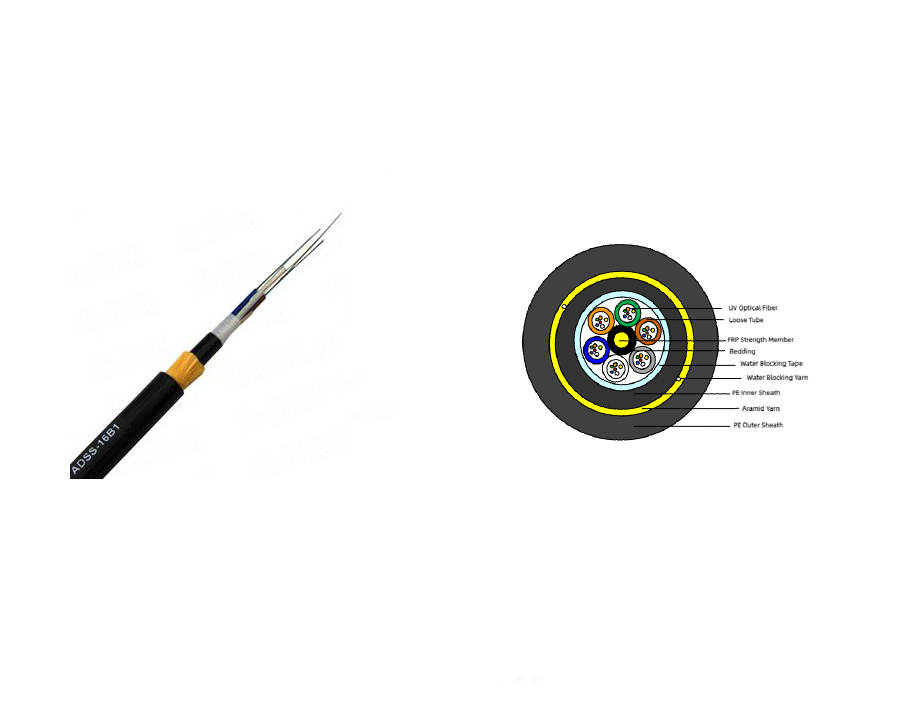 Structure and type of optical cable
 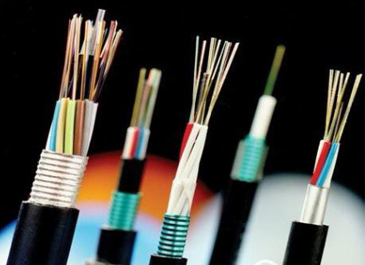 Outdoor optical cables: the link that connects the world
 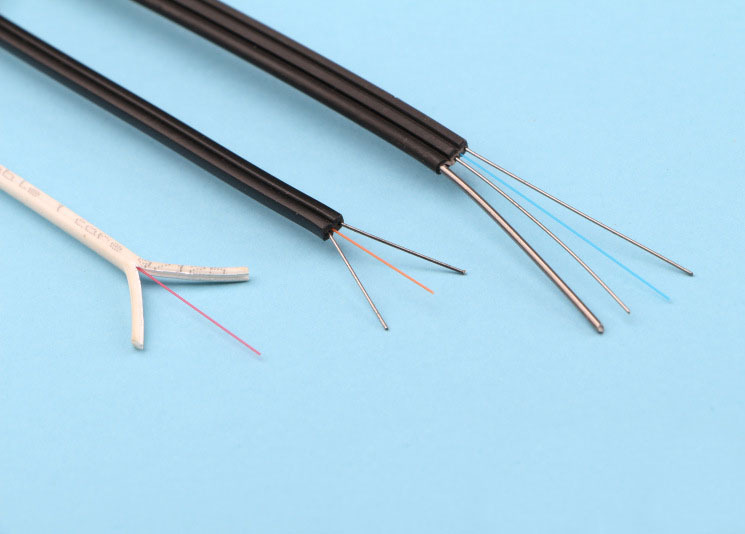 Analysis and improvement of drop cable fiber attenuation problem
  Wire and cable quality test three important indicators
  Laying method of communication optical cable
 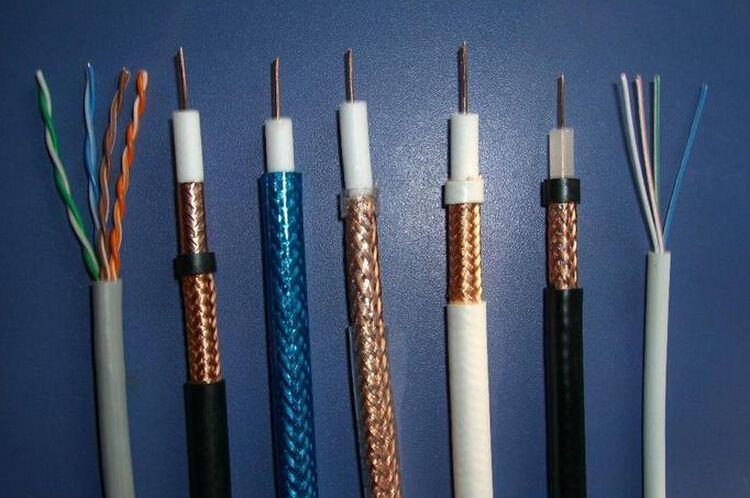 Teach you to identify and choose coaxial cable and twisted pair
  Overview of material and structure of waterproof cable
  Process requirements and instructions for armored cables
  A brief discussion on the application of cluster wire
  Safety requirements and storage methods for wire and cable use
 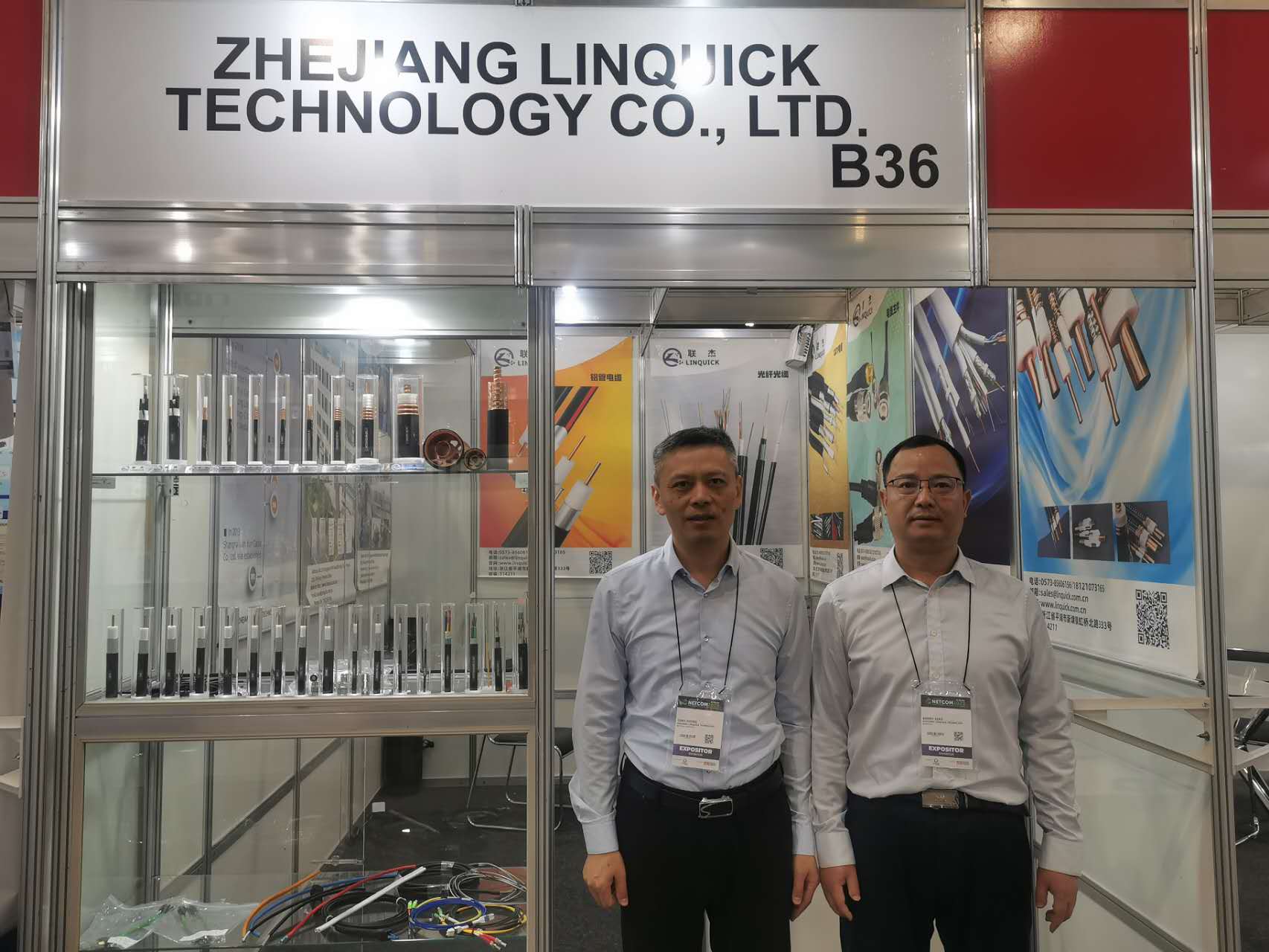 Zhejiang Linquick NETCOM2023 exhibition was successfully held