
Outdoor optical cables: the link that connects the world
author: Zhejiang Linquick Technology Co., Ltd.
2023-09-05
What is the outdoor optical cable?
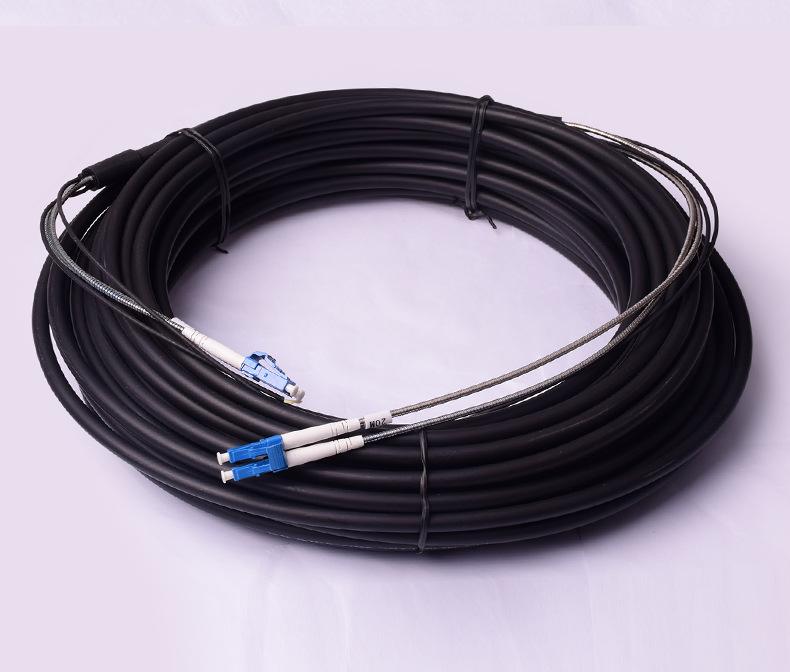
Outdoor optical cable is a type of fiber optic cable used for communication transmission, It has an additional protective layer, known as armor or metal sheath, which provides physical protection for the fiber, making it more durable and able to work in harsh environmental conditions.
Outdoor optical cable is a type of fiber optic cable used for communication transmission, It has an additional protective layer, known as armor or metal sheath, which provides physical protection for the fiber, making it more durable and able to work in harsh environmental conditions.
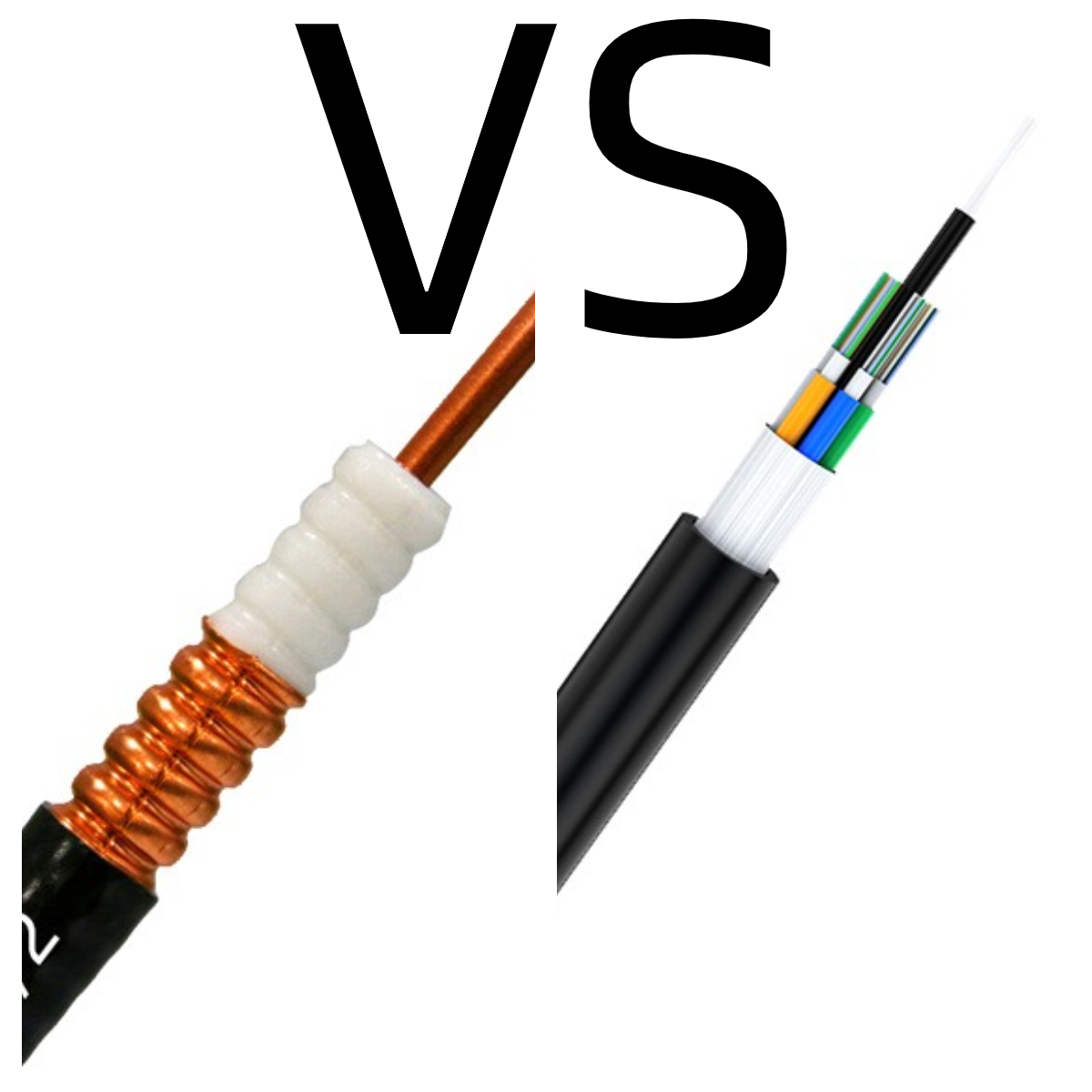
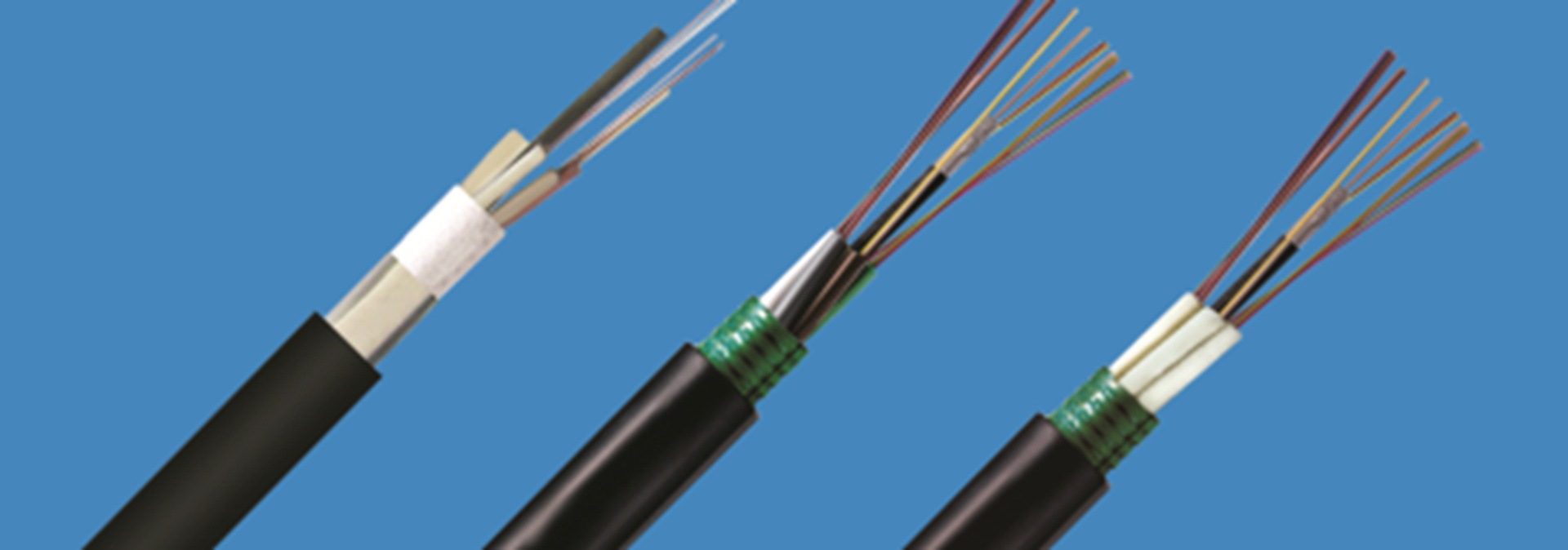
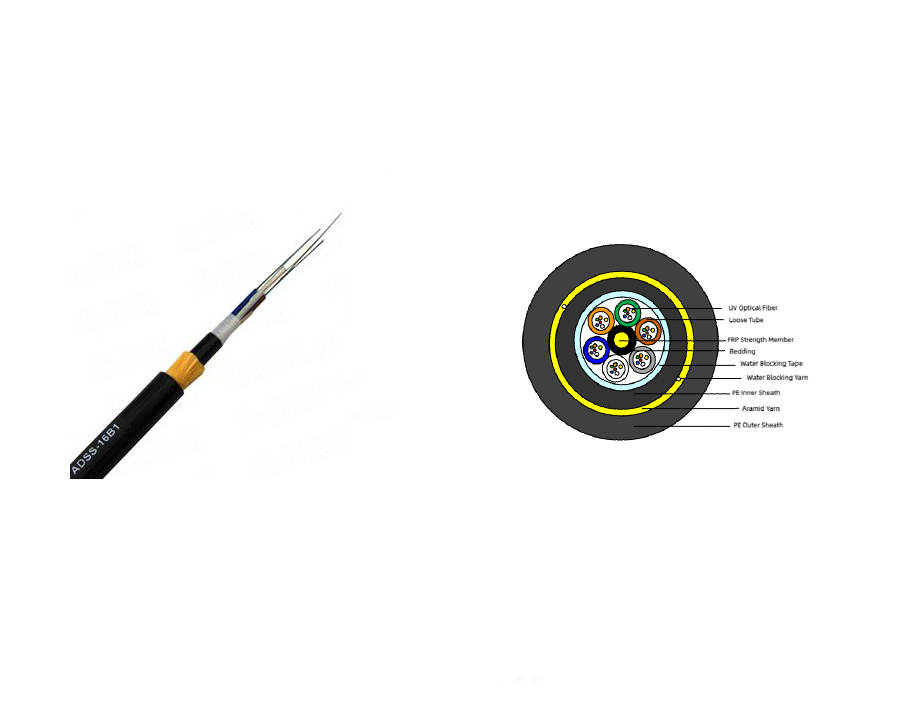
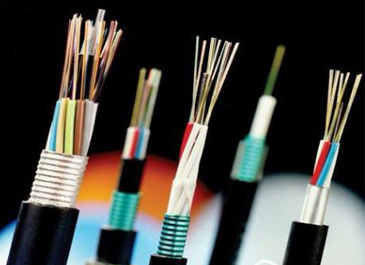
Outdoor optical cable generally contains bare fiber, loose sleeves, water-blocking materials, strengthening components, and outer sheathing, mainly center beam tube type, lamination type, skeleton type, and other structures.
Bare fiber refers to the original optical fiber with a diameter of 250um, which usually includes a core layer, cladding layer, and coating layer. The core layer size of different types of bare fibers varies. For example, single-mode OS2 fibers are generally 9um. Multi-mode OM2/OM3/OM4/OM5 is 50um; The multi-mode OM1 is 62.5um. The outside of the bare fiber is usually colored differently to distinguish the multi-core fiber.
The loose casing is generally made of high-strength engineering plastic PBT extrusion molding, which is used to accommodate bare fiber and play a protective role. At the same time, the inside of the casing should be filled with water-blocking fiber paste to prevent water from entering and damaging the fiber. The fiber paste also plays a buffering role to avoid damage caused by impact on the fiber. The casing loosening process is a key step in outdoor optical cable production, and the residual length of the optical fiber must be ensured.
Water-blocking materials are generally optical cable water-blocking ointment, water-blocking yarn, or water-blocking powder. To further strengthen the overall water-blocking capacity of optical cable, the current mainstream water-blocking material is the use of water-blocking ointment.
Reinforcement members are generally divided into metal types and non-metal type two types, Metal reinforcement members usually use phosphating steel wire, aluminum strip, or steel strip to achieve, and non-metal reinforcement members mainly use FRP materials to achieve. No matter what kind of material, the cable must be provided with sufficient mechanical strength to meet the requirements of the standard, such as tensile, bending, impact, torsion, etc.
The outer sheath should fully consider the use of the environment, such as waterproof, anti-ultraviolet, weather resistance, etc., so the general use of black PE material, with excellent physical and chemical properties can ensure the installation of various outdoor environments.
1. Good fire performance: Due to the existence of a metal sheath, outdoor optical cables perform well in terms of fire performance. Metal materials can withstand high temperatures and effectively isolate flames, reducing the impact of fire on communication systems.
2. Long-distance transmission: Outdoor optical cable can support longer-distance optical signal transmission due to its physical protection and anti-interference ability. This makes outdoor optical cables useful in scenarios where large data transmissions are required.
3. High security: Because outdoor optical cables can resist external physical attacks and damage, outdoor optical cables are widely used in environments with high network security requirements, such as military bases, government agencies, etc., to ensure network security and reliability.
2. Long-distance transmission: Outdoor optical cable can support longer-distance optical signal transmission due to its physical protection and anti-interference ability. This makes outdoor optical cables useful in scenarios where large data transmissions are required.
3. High security: Because outdoor optical cables can resist external physical attacks and damage, outdoor optical cables are widely used in environments with high network security requirements, such as military bases, government agencies, etc., to ensure network security and reliability.
4. Strong physical protection performance: The metal sheath of outdoor optical cable can effectively protect the fiber core from external physical damage. It prevents the cable from being squeezed, stretched or cut, providing better durability and stability.
5. Strong anti-interference ability: The metal sheath can also play the role of electromagnetic shielding to avoid the influence of external electromagnetic interference on optical signal transmission, thus improving the anti-interference ability.
6. Adapt to harsh environments: Outdoor cable can be used in a variety of harsh environments, including high temperature, low temperature, humidity, corrosion, and other extreme conditions. This makes outdoor cables particularly suitable for applications such as outdoor cabling, undersea communications, and industrial and military fields.
7. Provide additional mechanical protection: The metal sheath can withstand greater mechanical pressure and tension, protecting the fiber from external forces and reducing the risk of cable damage.
5. Strong anti-interference ability: The metal sheath can also play the role of electromagnetic shielding to avoid the influence of external electromagnetic interference on optical signal transmission, thus improving the anti-interference ability.
6. Adapt to harsh environments: Outdoor cable can be used in a variety of harsh environments, including high temperature, low temperature, humidity, corrosion, and other extreme conditions. This makes outdoor cables particularly suitable for applications such as outdoor cabling, undersea communications, and industrial and military fields.
7. Provide additional mechanical protection: The metal sheath can withstand greater mechanical pressure and tension, protecting the fiber from external forces and reducing the risk of cable damage.
It should be noted that outdoor optical cables may increase in cost and installation complexity compared to ordinary optical cables. Due to the presence of metal jackets, outdoor optical cables are relatively heavier and less flexible, so in some specific cases, it is important to choose the right type of cable.
Outdoor optical cable due to its strong physical protection and anti-interference capabilities, as well as the characteristics of adapting to harsh environments, make it the first choice in many critical applications, providing important support for reliable communication transmission.
 Analysis of advantages of Copper cables and Optic fiber
  Structure and type of optical cable
  Discussion on measurement method of characteristic impedance of RF coaxial cable
  What is a fiber optical feeder cable
 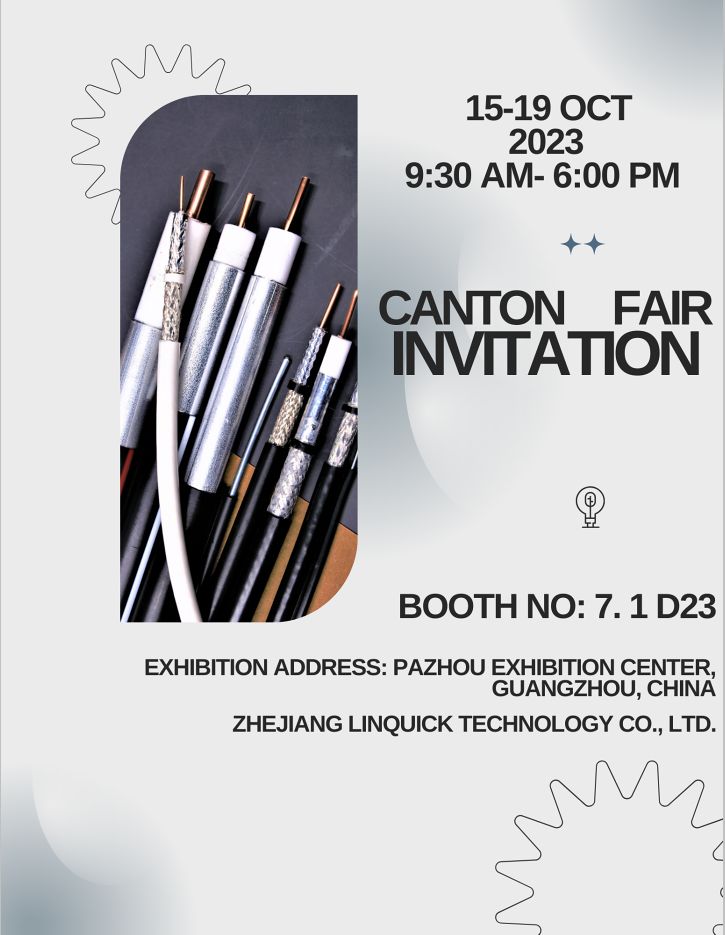 Zhejiang Linquick Technology will participate in the 134th Canton Fair
 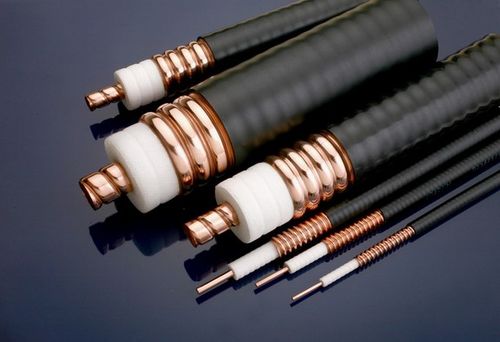 Introduction to RF coaxial cable
 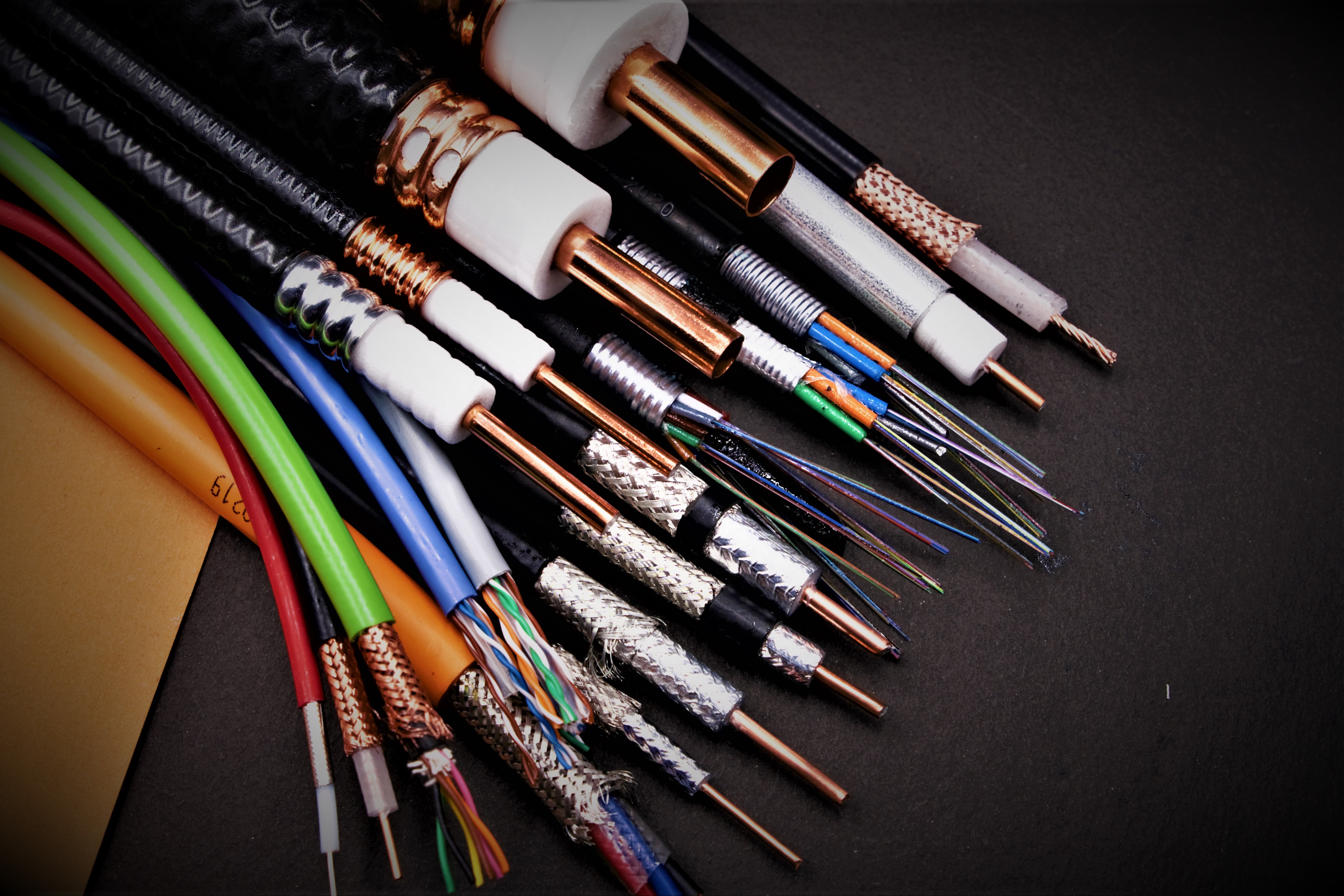 Five common cable classification
 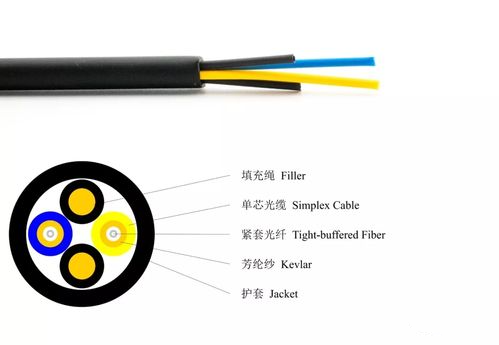 What is FTTA Remote Cable
  Test for insulation and sheath thickness of wire and cable products
  Congratulations to Zhejiang Linquick 24th CIOE a complete success
  Structure and type of optical cable
  Analysis and improvement of drop cable fiber attenuation problem
  Wire and cable quality test three important indicators
  Laying method of communication optical cable
  Teach you to identify and choose coaxial cable and twisted pair
  Overview of material and structure of waterproof cable
  Process requirements and instructions for armored cables
  A brief discussion on the application of cluster wire
  Safety requirements and storage methods for wire and cable use
  Zhejiang Linquick NETCOM2023 exhibition was successfully held