
Laying method of communication optical cable
author: Zhejiang Linquick Technology Co., Ltd.
2023-08-25
For a variety of applications and environmental conditions, communication cable has an aerial, direct buried, pipeline, underwater, and indoor laying methods.
Overhead cable laying
An overhead cable is a cable that is hung on a pole. This laying method can make use of the original overhead line pole road, save the construction cost, and shorten the construction period. The overhead cable is hung on the pole, and it is required to adapt to various natural environments. The overhead optical cable is vulnerable to natural disasters such as typhoons, ice, and floods, and is also vulnerable to external forces and the weakening of its mechanical strength, so the failure rate of the overhead optical cable is higher than that of the direct buried and pipeline-type optical fiber cable. It is generally used for long-distance lines below two or two and is suitable for private network cable lines or some local special sections.
There are two ways of laying overhead optical cables:
1. Cable type: First fasten the cable on the pole, and then use the hook to hang the cable on the cable, and the load of the cable is carried by the cable.
2. Self-supporting: with a self-supporting structure of the optical cable, the optical cable is "8" font, the upper part of the self-bearing line, and the load of the optical cable is carried by the self-bearing line.
An overhead cable is a cable that is hung on a pole. This laying method can make use of the original overhead line pole road, save the construction cost, and shorten the construction period. The overhead cable is hung on the pole, and it is required to adapt to various natural environments. The overhead optical cable is vulnerable to natural disasters such as typhoons, ice, and floods, and is also vulnerable to external forces and the weakening of its mechanical strength, so the failure rate of the overhead optical cable is higher than that of the direct buried and pipeline-type optical fiber cable. It is generally used for long-distance lines below two or two and is suitable for private network cable lines or some local special sections.
There are two ways of laying overhead optical cables:
1. Cable type: First fasten the cable on the pole, and then use the hook to hang the cable on the cable, and the load of the cable is carried by the cable.
2. Self-supporting: with a self-supporting structure of the optical cable, the optical cable is "8" font, the upper part of the self-bearing line, and the load of the optical cable is carried by the self-bearing line.
Direct buried optical cable laying
This kind of cable has steel tape or steel wire armor outside, directly buried in the ground, requiring the performance of resisting external mechanical damage and preventing soil corrosion. Different protective structures should be selected according to different use environments and conditions. For example, in areas affected by pests and rodents, optical cables with protective layers against rodent bites should be selected.
Depending on the soil and the environment, the depth of the cable buried in the ground is generally between 0.8 meters and 1.2 meters. When laying, attention must also be paid to keeping the fiber strain within the allowable limit.
This kind of cable has steel tape or steel wire armor outside, directly buried in the ground, requiring the performance of resisting external mechanical damage and preventing soil corrosion. Different protective structures should be selected according to different use environments and conditions. For example, in areas affected by pests and rodents, optical cables with protective layers against rodent bites should be selected.
Depending on the soil and the environment, the depth of the cable buried in the ground is generally between 0.8 meters and 1.2 meters. When laying, attention must also be paid to keeping the fiber strain within the allowable limit.
Pipeline and optical cable laying
Pipeline laying is generally in urban areas, and the environment for pipeline laying is better, so there is no special requirement for the cable sheath and no need for armor.
Before laying the pipeline, the length of the laying section and the position of the connection point must be selected. Mechanical traction or manual traction can be used when laying. The traction force of a single traction should not exceed the allowable tension of the cable.
The materials for making pipes can be selected according to geography, such as concrete, asbestos cement, steel pipe, plastic pipe, etc.
Pipeline laying is generally in urban areas, and the environment for pipeline laying is better, so there is no special requirement for the cable sheath and no need for armor.
Before laying the pipeline, the length of the laying section and the position of the connection point must be selected. Mechanical traction or manual traction can be used when laying. The traction force of a single traction should not exceed the allowable tension of the cable.
The materials for making pipes can be selected according to geography, such as concrete, asbestos cement, steel pipe, plastic pipe, etc.
Submarine cable laying
The submarine optical cable is laid underwater crossing rivers, lakes, beaches, etc. The laying environment of this kind of cable is much worse than that of pipeline laying and direct buried laying. The submarine cable must be steel wire or steel tape armored structure, and the structure of the protective layer should be comprehensively considered according to the hydrogeological conditions of the river. For example, in the stony soil, the seasonal river bed with strong erosion, the optical cable suffers from wear and tension, and not only the thick steel wire required to make armor but even double armor should be used. The construction method should also be selected according to the river width, water depth, flow rate, river bed, flow rate, river bed soil quality, and so on.
The laying environmental conditions of underwater optical cables are much more severe than those of directly buried optical cables, and the technology and measures to repair the fault are also much more difficult, so the reliability requirements of underwater optical cables are also higher than those of directly buried optical cables.
Submarine cable is also underwater cable, but the laying environmental conditions are more severe than the general underwater cable, with higher requirements for the submarine cable system and its components, the service life requirements of more than 25 years.
The submarine optical cable is laid underwater crossing rivers, lakes, beaches, etc. The laying environment of this kind of cable is much worse than that of pipeline laying and direct buried laying. The submarine cable must be steel wire or steel tape armored structure, and the structure of the protective layer should be comprehensively considered according to the hydrogeological conditions of the river. For example, in the stony soil, the seasonal river bed with strong erosion, the optical cable suffers from wear and tension, and not only the thick steel wire required to make armor but even double armor should be used. The construction method should also be selected according to the river width, water depth, flow rate, river bed, flow rate, river bed soil quality, and so on.
The laying environmental conditions of underwater optical cables are much more severe than those of directly buried optical cables, and the technology and measures to repair the fault are also much more difficult, so the reliability requirements of underwater optical cables are also higher than those of directly buried optical cables.
Submarine cable is also underwater cable, but the laying environmental conditions are more severe than the general underwater cable, with higher requirements for the submarine cable system and its components, the service life requirements of more than 25 years.
 Analysis of advantages of Copper cables and Optic fiber
  Structure and type of optical cable
  Discussion on measurement method of characteristic impedance of RF coaxial cable
  What is a fiber optical feeder cable
  Zhejiang Linquick Technology will participate in the 134th Canton Fair
  Introduction to RF coaxial cable
  Five common cable classification
  What is FTTA Remote Cable
  Test for insulation and sheath thickness of wire and cable products
  Congratulations to Zhejiang Linquick 24th CIOE a complete success
  Structure and type of optical cable
  Outdoor optical cables: the link that connects the world
  Analysis and improvement of drop cable fiber attenuation problem
  Wire and cable quality test three important indicators
 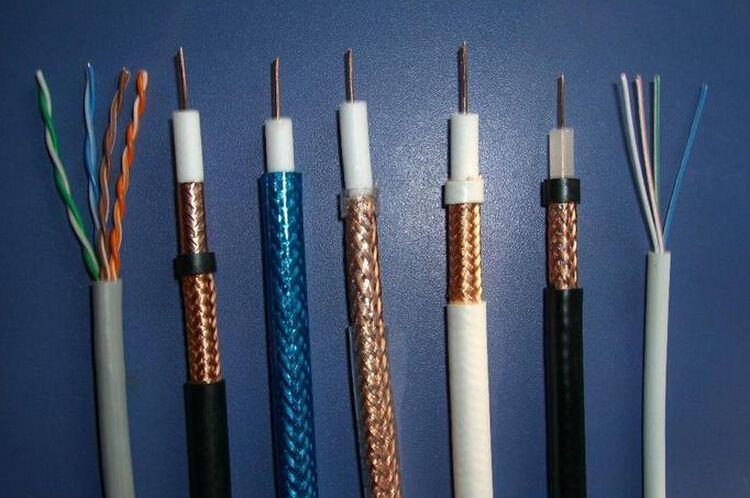 Teach you to identify and choose coaxial cable and twisted pair
  Overview of material and structure of waterproof cable
 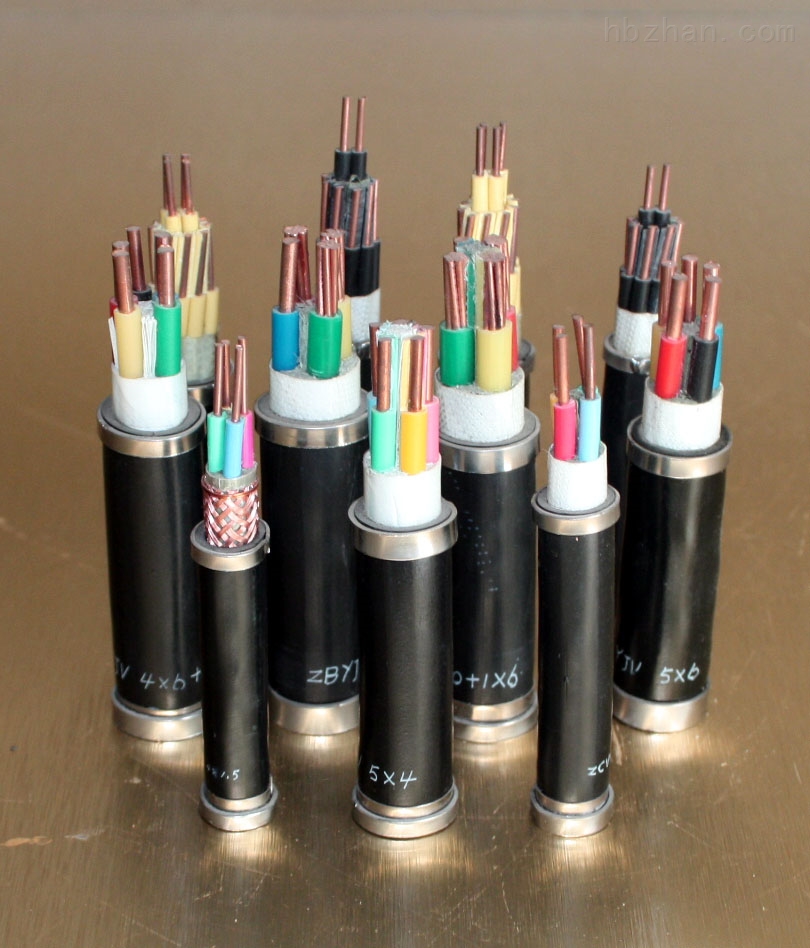 Process requirements and instructions for armored cables
  A brief discussion on the application of cluster wire
 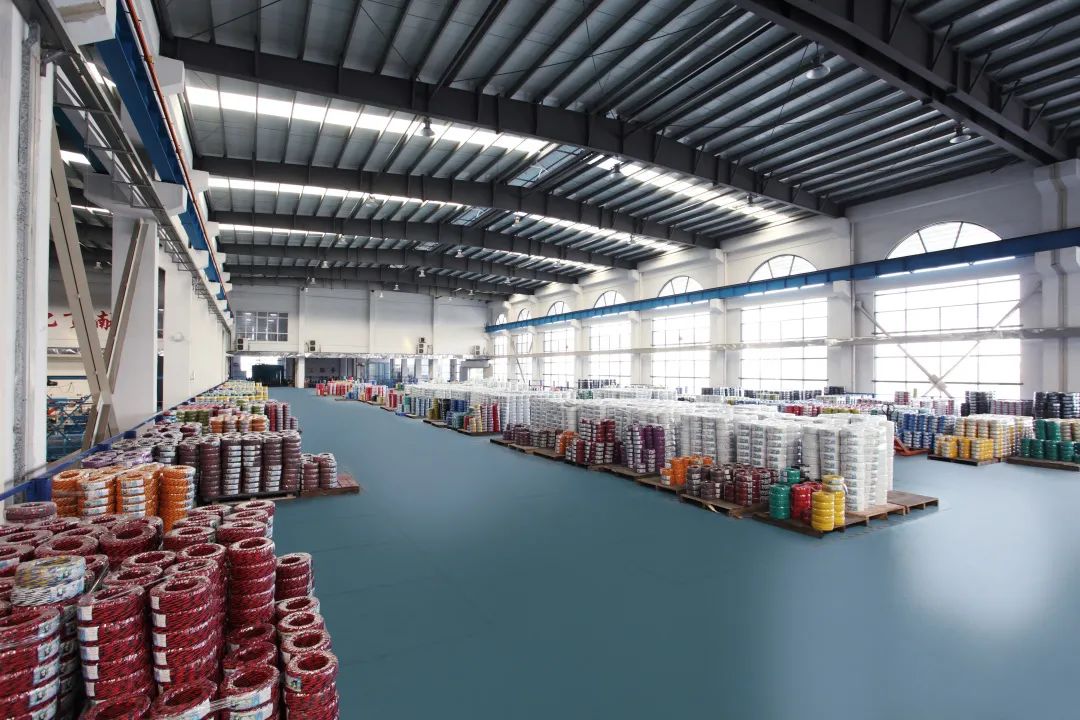 Safety requirements and storage methods for wire and cable use
 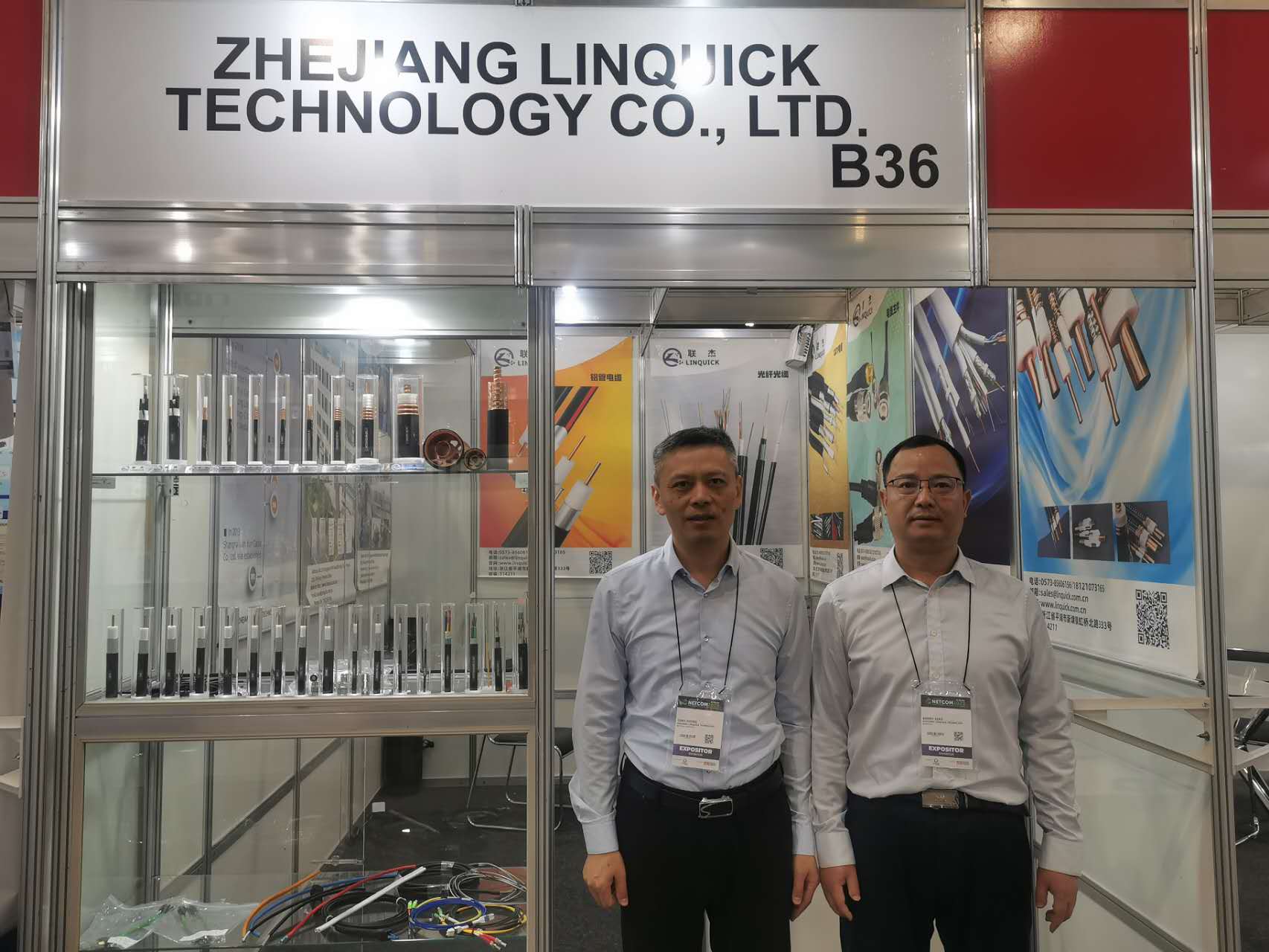 Zhejiang Linquick NETCOM2023 exhibition was successfully held