
A brief discussion on the application of cluster wire
author: Zhejiang Linquick Technology Co., Ltd.
2023-08-11
First, the advantages of bunching wires
The full name of the cluster wire is the cluster overhead insulated cable, which is manufactured by connecting multiple (generally 4) insulated cables tightly together with insulating materials, and has parallel (flat) and square rows according to the integrated way, which is a compact cable bundle that works in an overhead manner. This determines that its physical parameters, mechanical properties, construction methods, etc. are bounded between the bare wire and a single closed cable.
The full name of the cluster wire is the cluster overhead insulated cable, which is manufactured by connecting multiple (generally 4) insulated cables tightly together with insulating materials, and has parallel (flat) and square rows according to the integrated way, which is a compact cable bundle that works in an overhead manner. This determines that its physical parameters, mechanical properties, construction methods, etc. are bounded between the bare wire and a single closed cable.
The main advantages of cluster wire reduce loss and improve power supply quality.
(1) Small wire reactance
The reactance of a wire is composed of impedance, capacitive reactance, and inductive reactance. In the case of the same material and cross-section, the resistance of the bunched wire is basically the same as that of the bare wire. However, the bunched wire adopts the compact and symmetrical split structure in manufacturing, which greatly reduces the inductance of the wire, but increases the dielectric constant between the wires, thus greatly increasing the capacitance, thus greatly reducing the reactance of the entire network. Finally, achieve the purpose of loss reduction and improvement of reactive power demand balance.
(2) Power supply mode change
At present, the 380/220V network with bare wire power supply in the rural power grid is limited by investment, line corridors and security factors, forming a power supply mode in which the main line is a three-phase power supply and the branch line and the entry line are basically single-phase power supply. According to the statistical analysis of the reformed rural power grid, the branch line and the entry line account for 70% of the total line length. Does not occupy the line corridor, effectively prevents leakage, and stealing electricity, is safe and reliable, beautiful shape. In the vast rural dense residential areas, especially in the urban areas, most of the walkways and green belts that can really be used as line corridors are public roads.
If a bare wire is used for erection, the following thorny problems usually arise:
1. It is difficult to excavate and erect electric poles in narrow concrete roads, and there is no place to bury the corner cable, which is easy to produce land disputes with residents, and it is difficult to carry out coordination work
2. The trees in the green belt grow taller year by year, and it is easy to encounter the wire to produce leakage, and some other places illegally build houses or construction to reduce the safety distance, low safety, and difficult maintenance and transformation
3. High-rise buildings in dense residential areas often have falling objects (such as garbage bags, hangers, etc.) that are easy to break the wire or cause short-circuit between phases, and the failure rate is high
4. Some users with low-quality "hang lanterns" on the online road, and the phenomenon of stealing electricity is serious, and the investigation is difficult due to the dense population. In this case, if the cluster wire is used, due to the less use of poles, most of the walls are set up with wall nails outside the planned house.
Second, the construction needs to pay attention to several problems
(1) Do not damage the insulation layer
The above mentioned insulation layer damage easy to cause inter-phase short circuit is one of the relatively big shortcomings of the cluster wire, but also the main problem that needs special attention in the construction, so in the construction to use reliable measures to prevent damage to the insulation layer, mainly: Use special plastic or wooden pay-off stand, do not drag wire on the ground, cable pay-off pulley hanging plastic or rubber sheathing on the cable holding hoop to assist pay-off, wire tightener holding wire set rubber or plastic.
(2) Wire connection
Wire fixed point (such as overhang, tensile) distance from the joint point should be greater than 50 cm; There shall be no more than 3 joint points in one wire. When two wires are connected, the insulation layer shall be peeled off, the thermoplastic tube shall be inserted, the thermoplastic tube shall be pressed by hydraulic clamp and the thermoplastic tube shall be baked by blowtorch, and the lap length shall be greater than 5 cm.
(3) Prevent rainwater erosion and accumulation of water
The wire should prevent rain erosion and water accumulation at the fixed point and junction, so pay attention to make the convex surface face up to prevent water accumulation after the conductor at the overhanging line clamp is square, the waterproof cover should be used at the branch and the drip hole should face down, and the drip arc should be made at the entry meter of the household line.
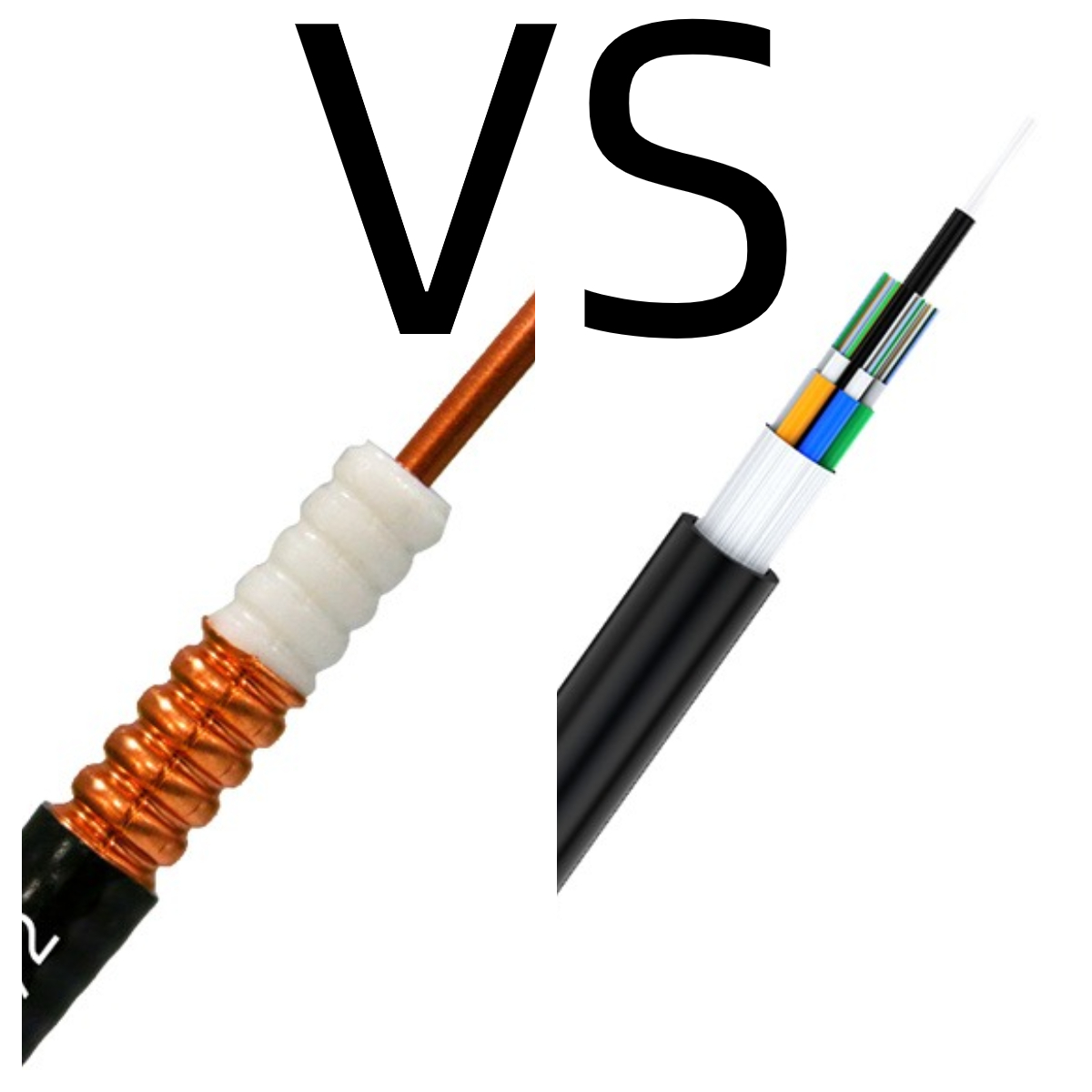 Analysis of advantages of Copper cables and Optic fiber
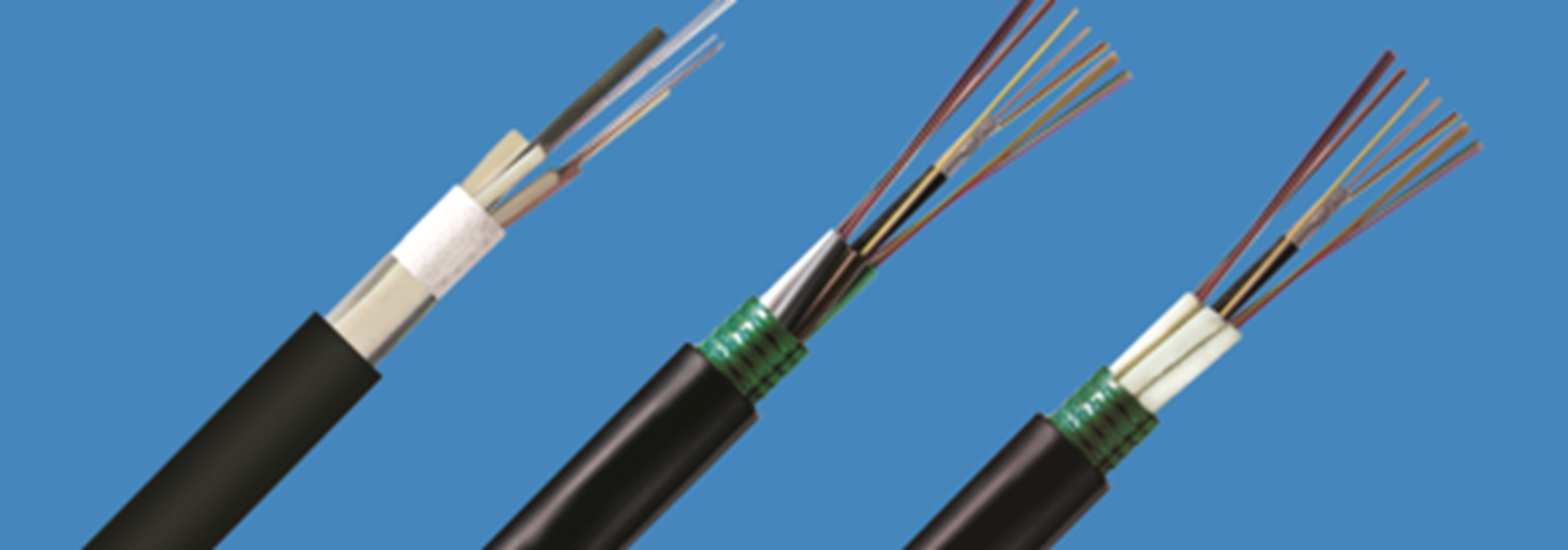 Structure and type of optical cable
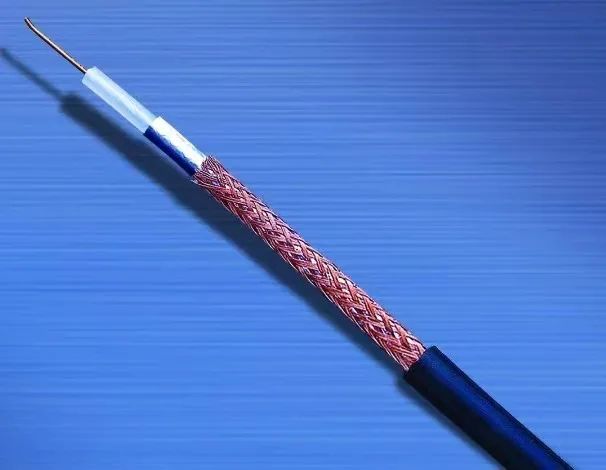 Discussion on measurement method of characteristic impedance of RF coaxial cable
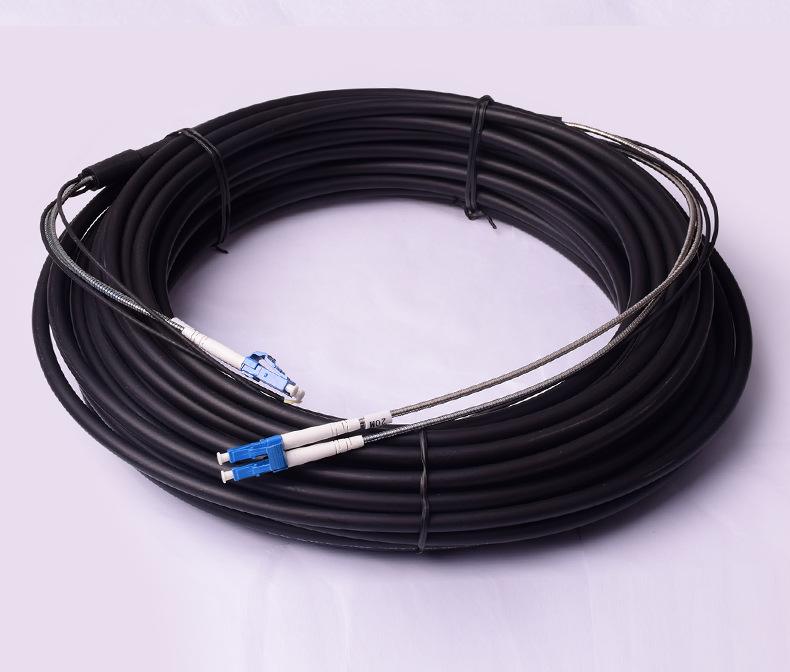 What is a fiber optical feeder cable
 Zhejiang Linquick Technology will participate in the 134th Canton Fair
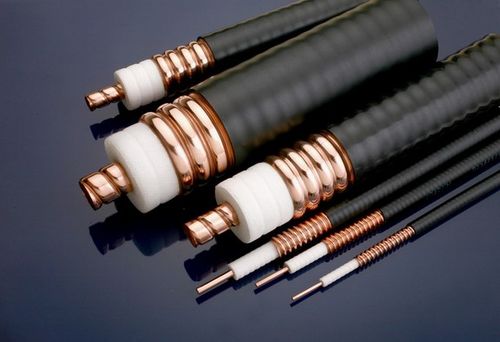 Introduction to RF coaxial cable
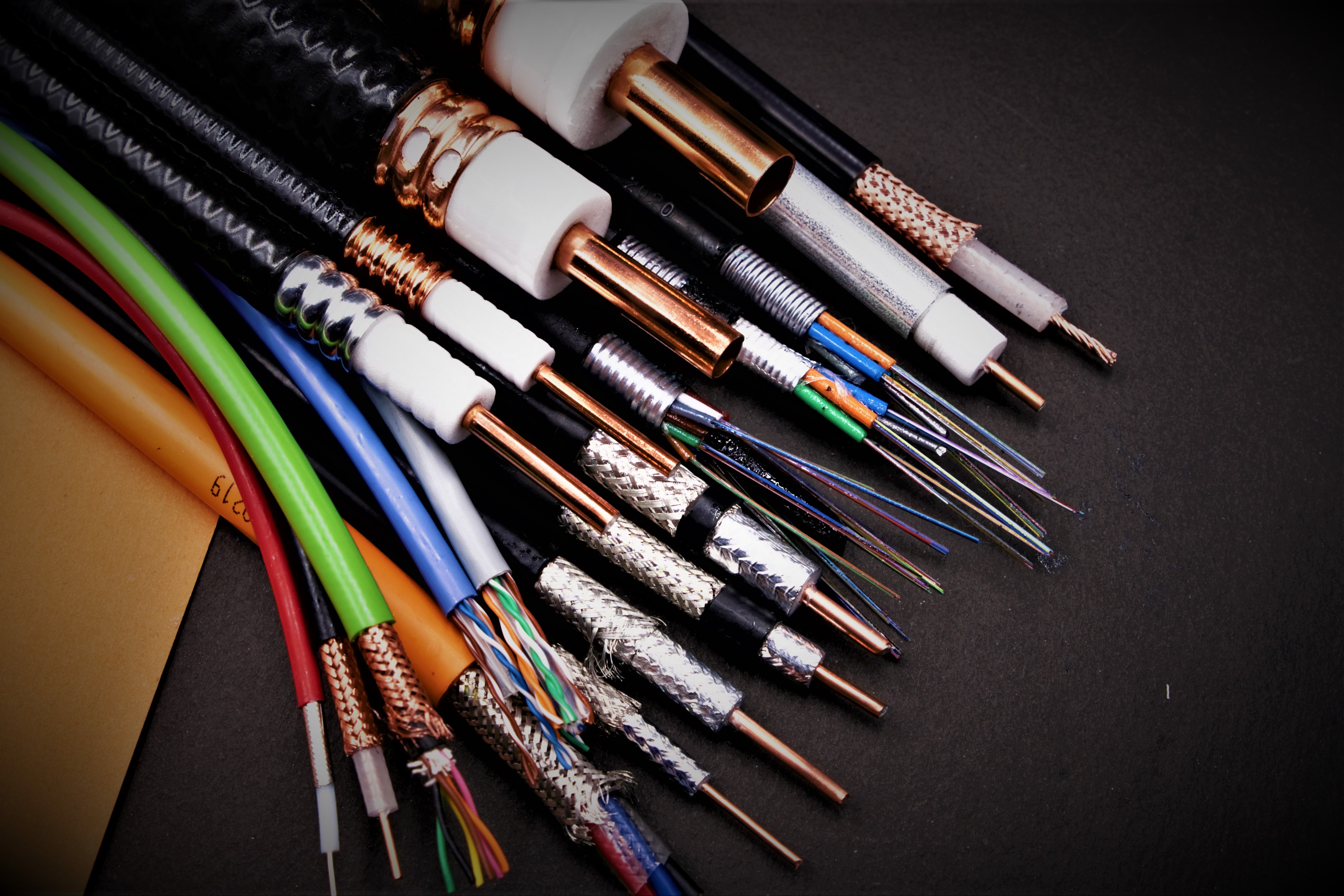 Five common cable classification
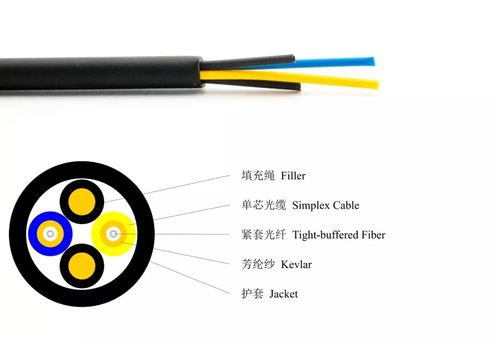 What is FTTA Remote Cable
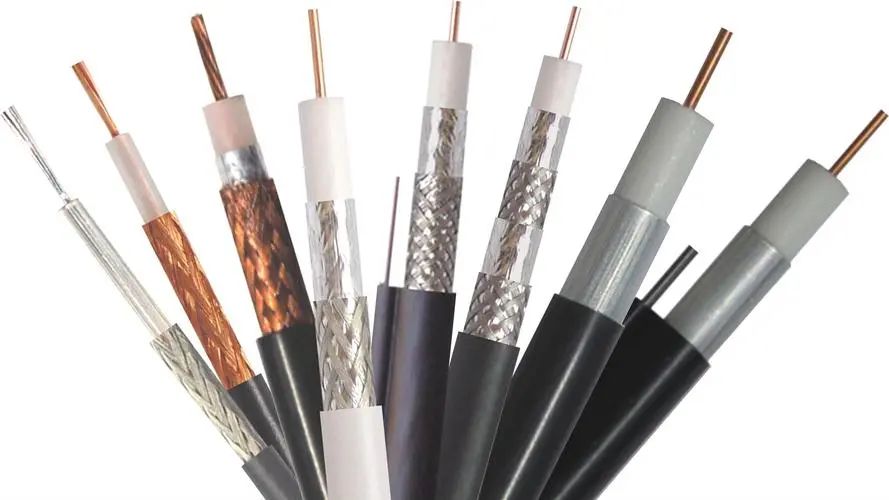 Test for insulation and sheath thickness of wire and cable products
 Congratulations to Zhejiang Linquick 24th CIOE a complete success
 Structure and type of optical cable
 Outdoor optical cables: the link that connects the world
 Analysis and improvement of drop cable fiber attenuation problem
 Wire and cable quality test three important indicators
 Laying method of communication optical cable
 Teach you to identify and choose coaxial cable and twisted pair
 Overview of material and structure of waterproof cable
 Process requirements and instructions for armored cables
 Safety requirements and storage methods for wire and cable use
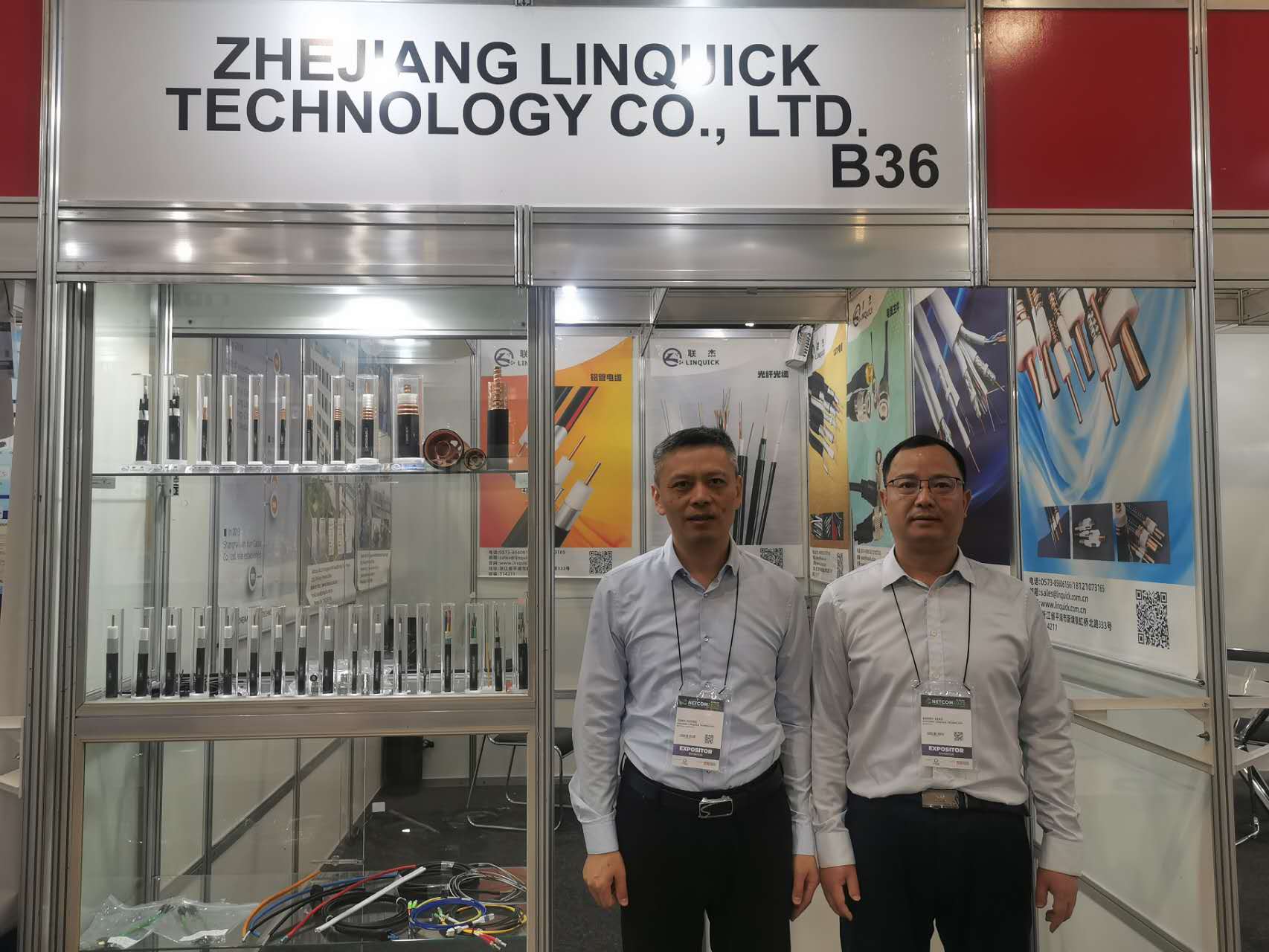 Zhejiang Linquick NETCOM2023 exhibition was successfully held