
Process requirements and instructions for armored cables

2. The double-layer metal tape armor should be wrapped with a left spiral gap, the wrapping gap should not be greater than 50% of the width of the metal belt, and the gap of the inner metal belt should be covered by the outer metal belt near the middle.
3. The anti-rust layer on the surface of the steel strip is not allowed to be scratched during the wrapping process. The wrapping should be round and tight, and the steel strip should not be curled and there should be no gap. The steel belt joint is solidly welded with a spot welding machine, the joint is smooth, and the joint is brushed with an anti-rust agent.
4. Do not Pierce the metal burrs on the edge of the metal belt into the insulation or sheath.
5. It is strictly prohibited to use metal belts of different thicknesses and widths welded together for armoring.
6. The width of the metal belt is specified in the following table, and the width specified in the process is the maximum width, allowing the use of narrower metal belts.
Second, steel wire armoring

1. Galvanized steel wire should meet the requirements of GB/T 3082-2020 "Galvanized low carbon steel wire for armored cables", and the wire diameter should meet the relevant requirements of the armored process.
2. Steel wire armoring wrapping direction is left, the number of steel wires should be appropriately increased or decreased according to the specific situation on the basis of the armoring process regulations, to ensure that the total gap of steel wire wrapping should not be greater than the wire diameter of a steel wire, and according to the actual situation to select the appropriate die size, to ensure that the steel wire is tight and smooth after armoring.
3. The steel wire joint must be welded firmly, and should be polished and rounded after welding, no sharp corners or burrs are allowed, and the outer diameter of the joint is allowed to be slightly larger than the normal outer diameter of the steel wire, but not greater than 15% of the normal outer diameter, and do appropriate anti-corrosion treatment.
Third. Other requirements
The wire core after armor should fill in a process record sheet for each disk, and be stacked neatly by specifications and batches.
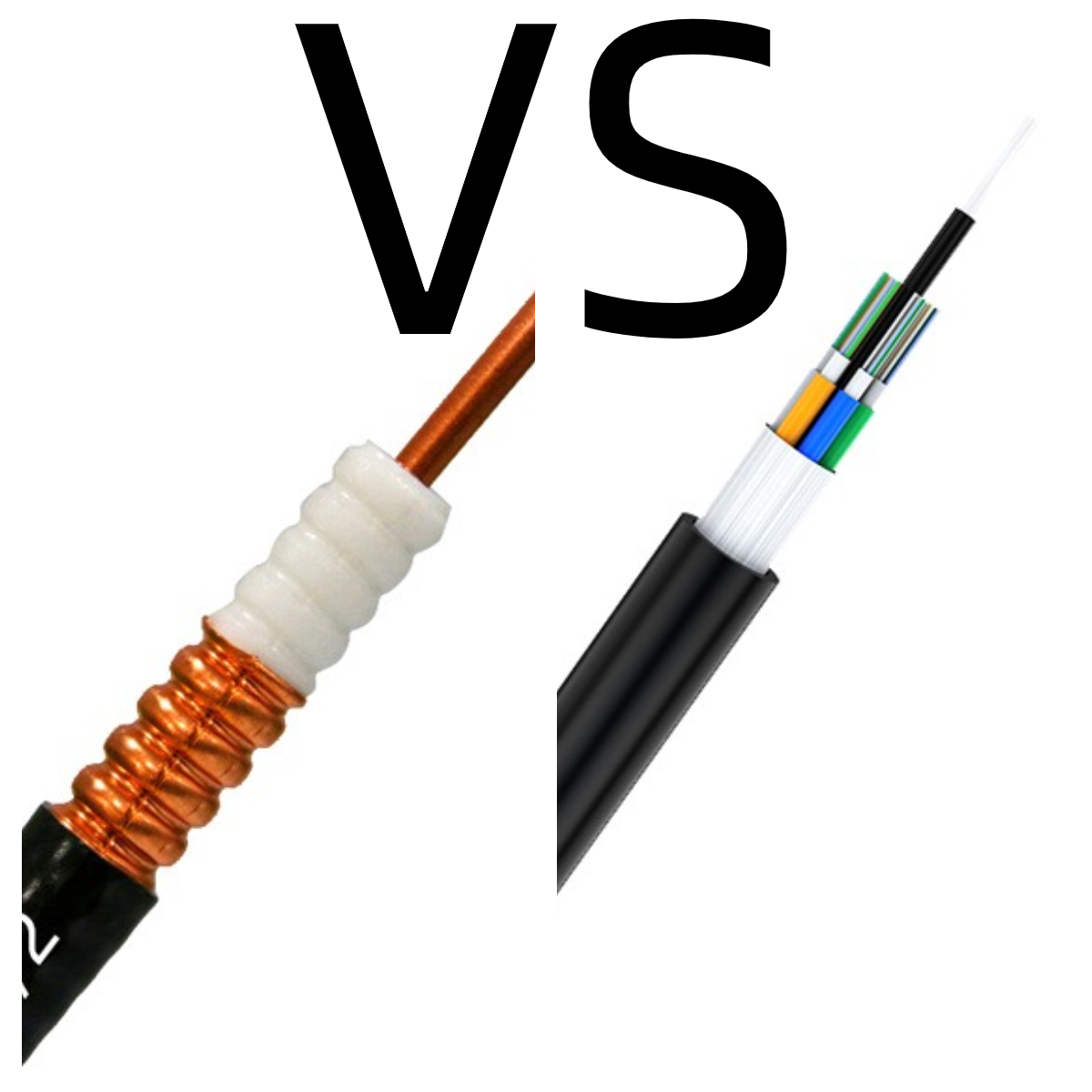 Analysis of advantages of Copper cables and Optic fiber
 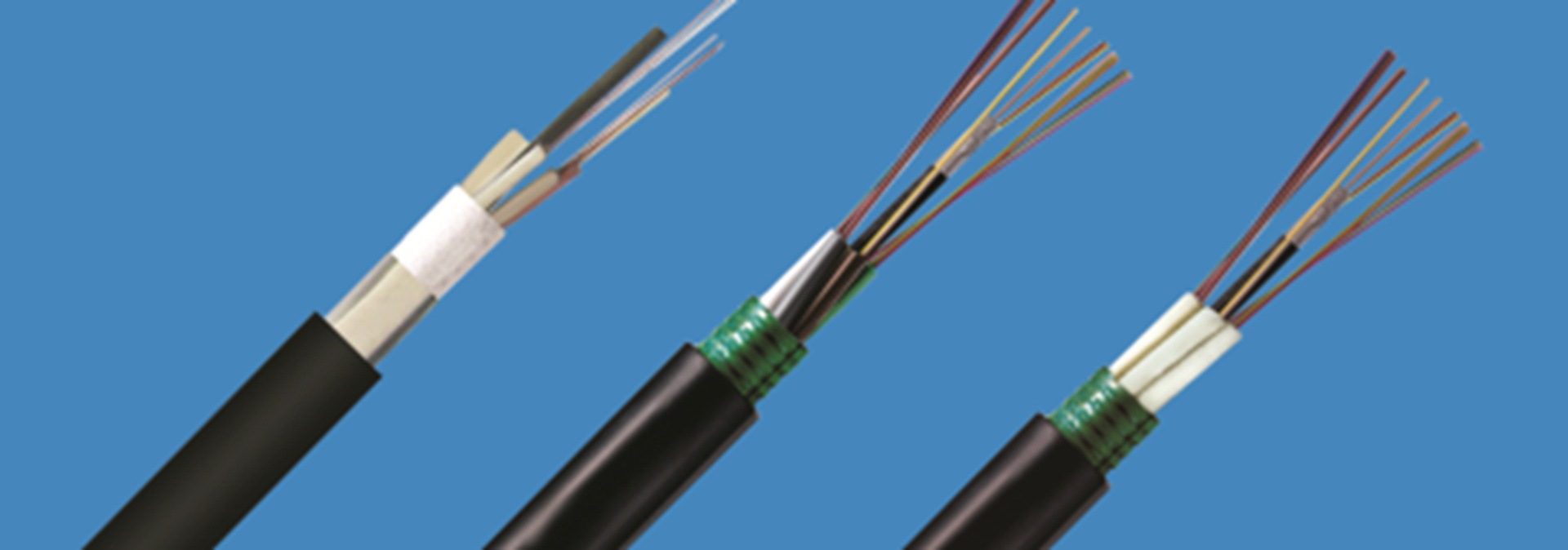 Structure and type of optical cable
 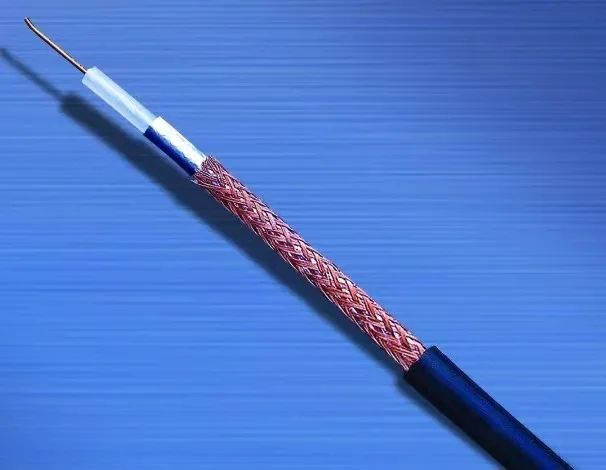 Discussion on measurement method of characteristic impedance of RF coaxial cable
 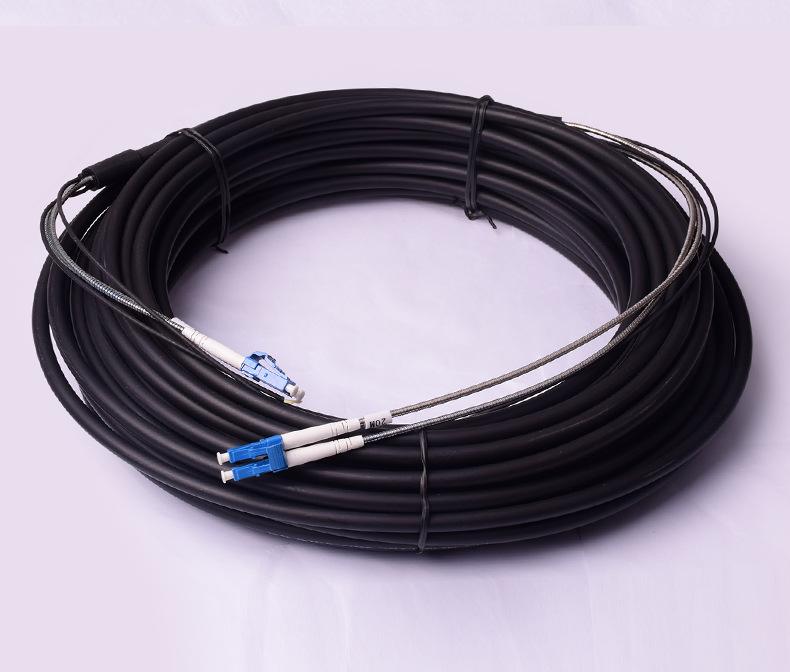 What is a fiber optical feeder cable
 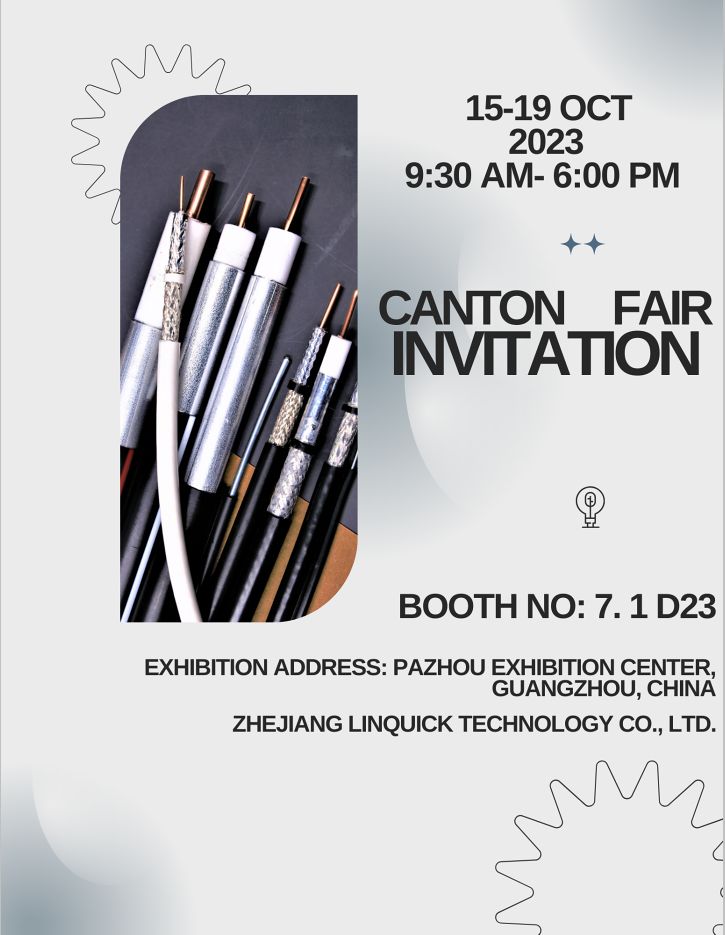 Zhejiang Linquick Technology will participate in the 134th Canton Fair
 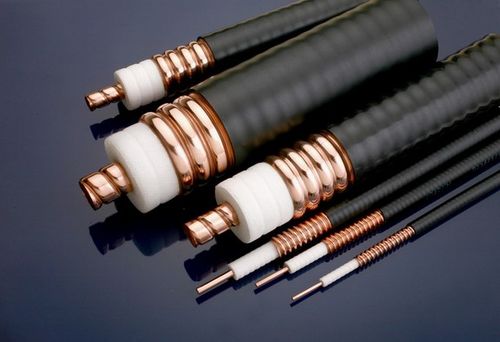 Introduction to RF coaxial cable
 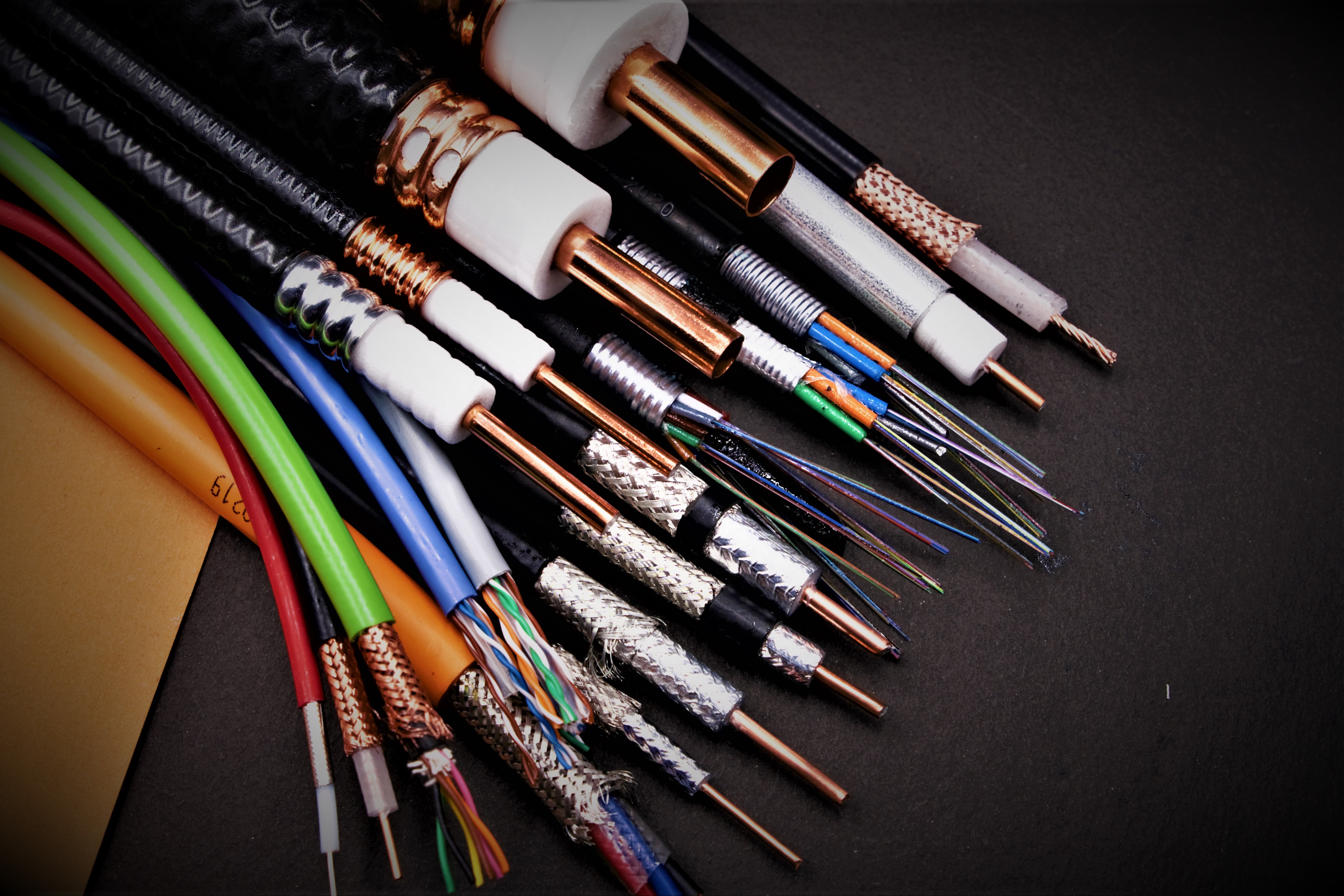 Five common cable classification
 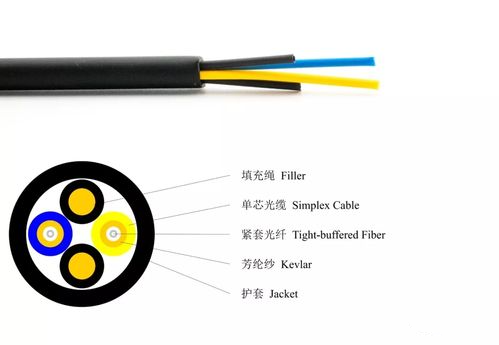 What is FTTA Remote Cable
 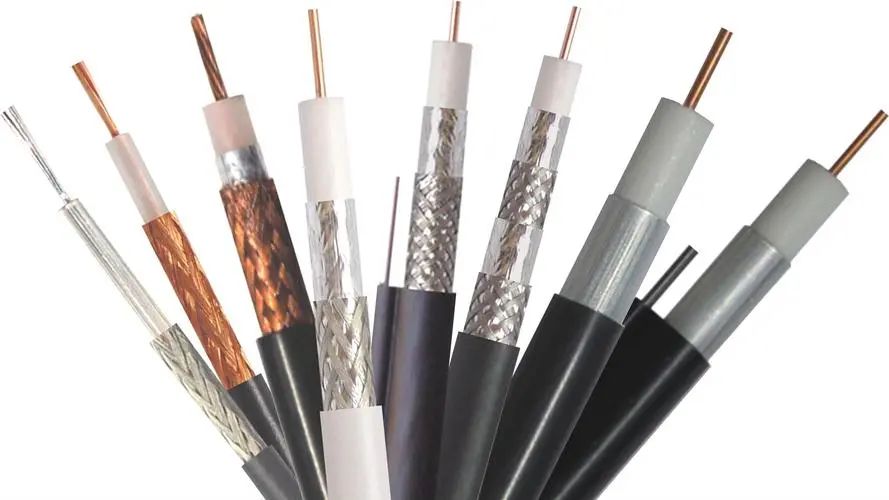 Test for insulation and sheath thickness of wire and cable products
 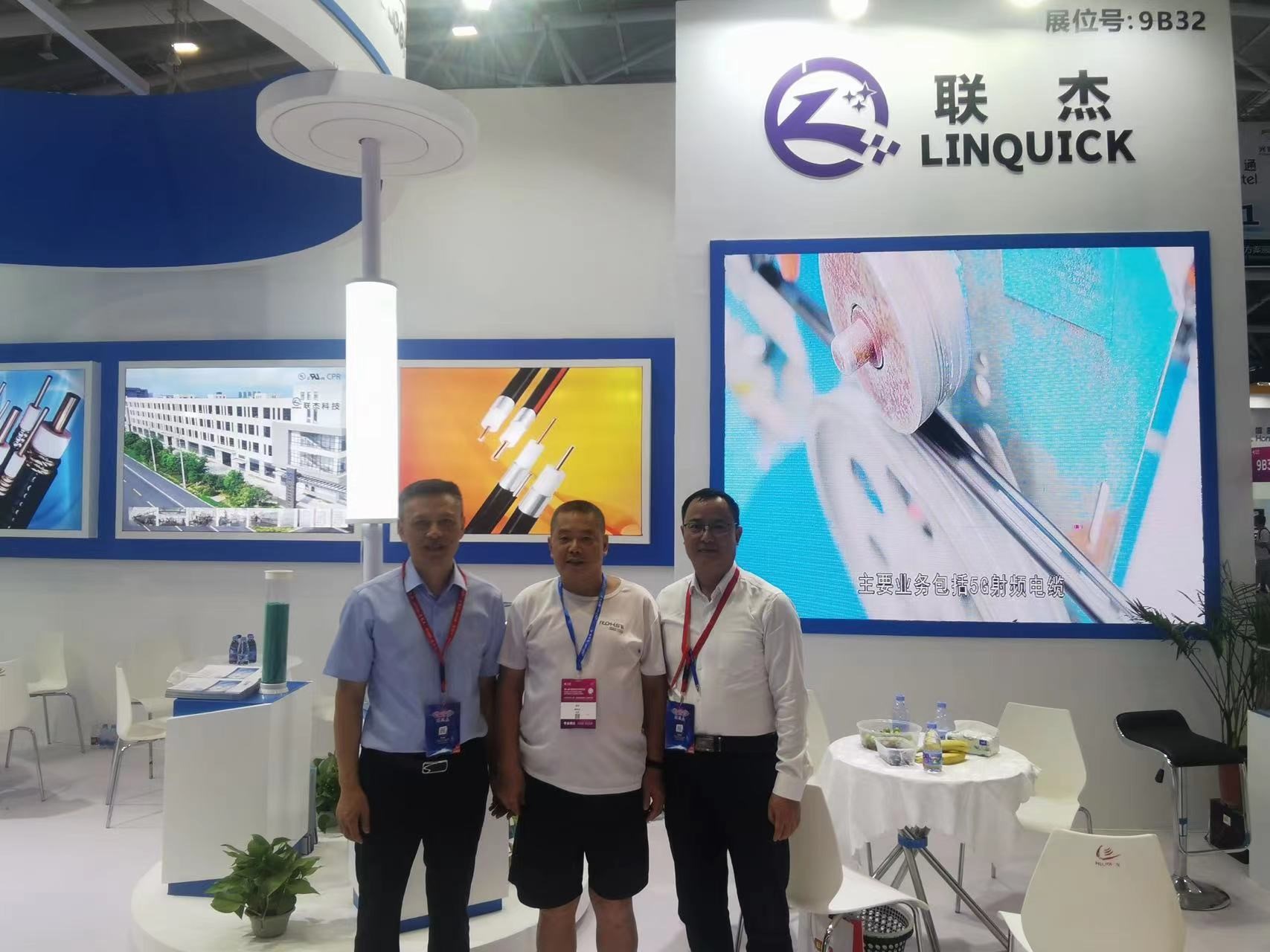 Congratulations to Zhejiang Linquick 24th CIOE a complete success
 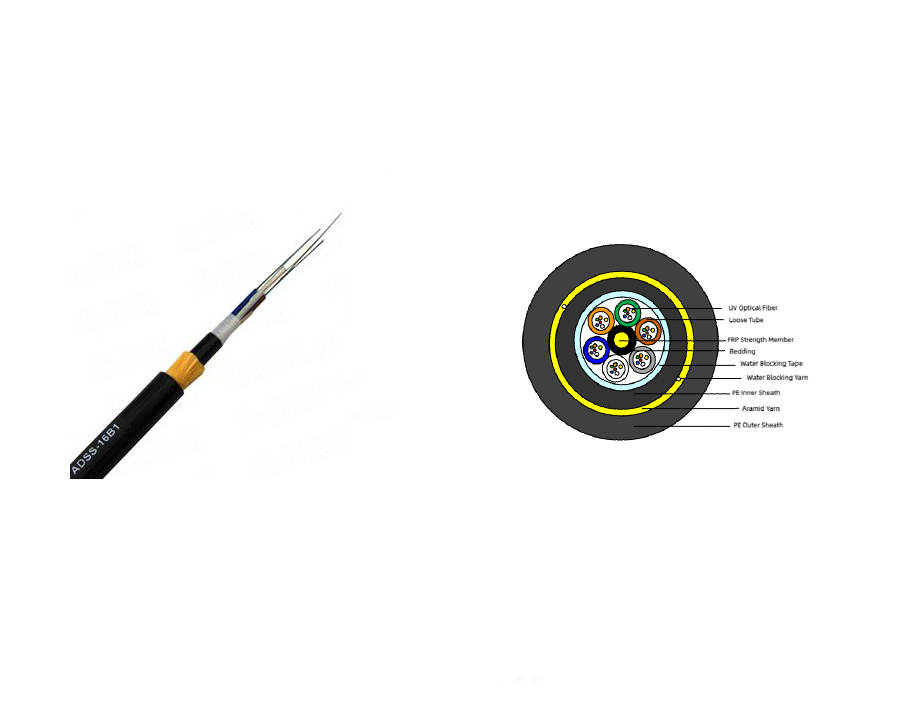 Structure and type of optical cable
 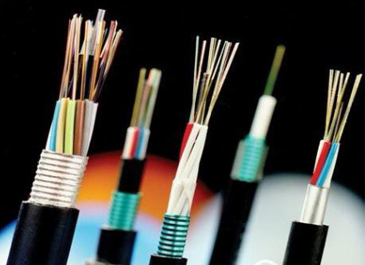 Outdoor optical cables: the link that connects the world
 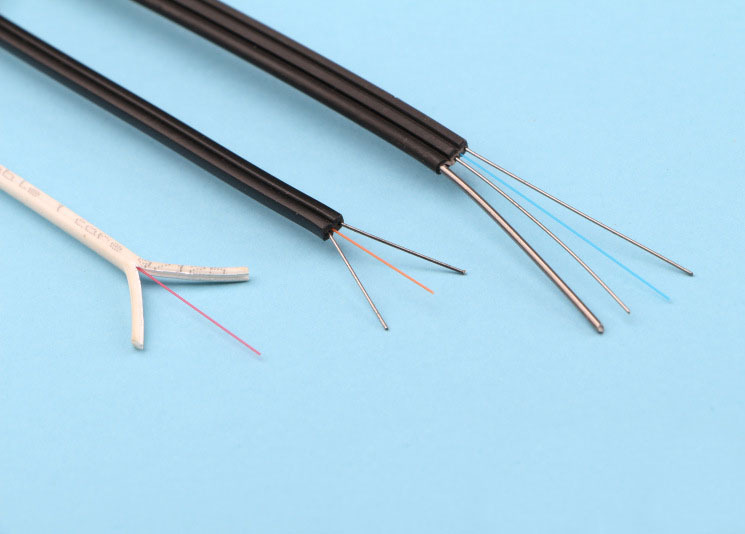 Analysis and improvement of drop cable fiber attenuation problem
  Wire and cable quality test three important indicators
  Laying method of communication optical cable
 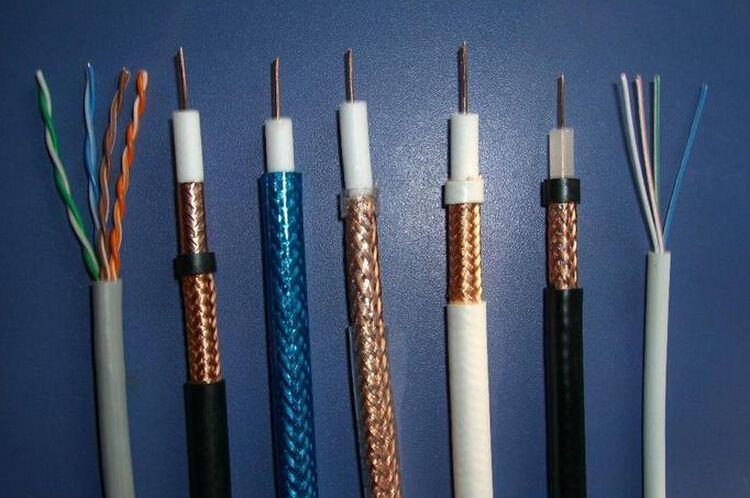 Teach you to identify and choose coaxial cable and twisted pair
  Overview of material and structure of waterproof cable
  A brief discussion on the application of cluster wire
 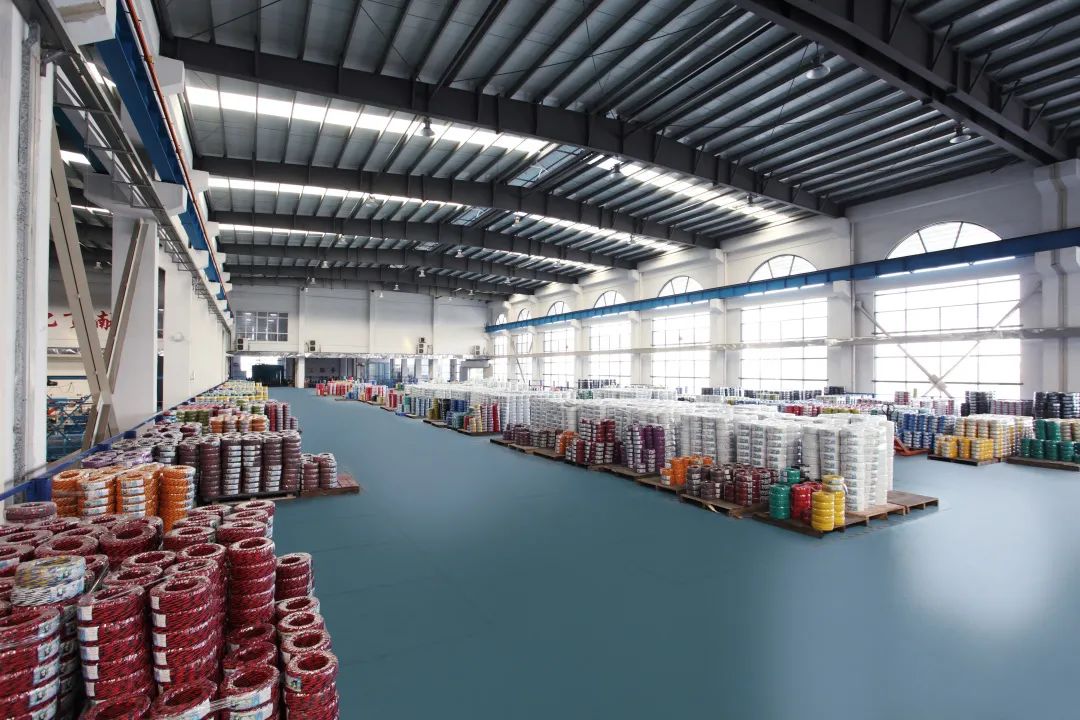 Safety requirements and storage methods for wire and cable use
 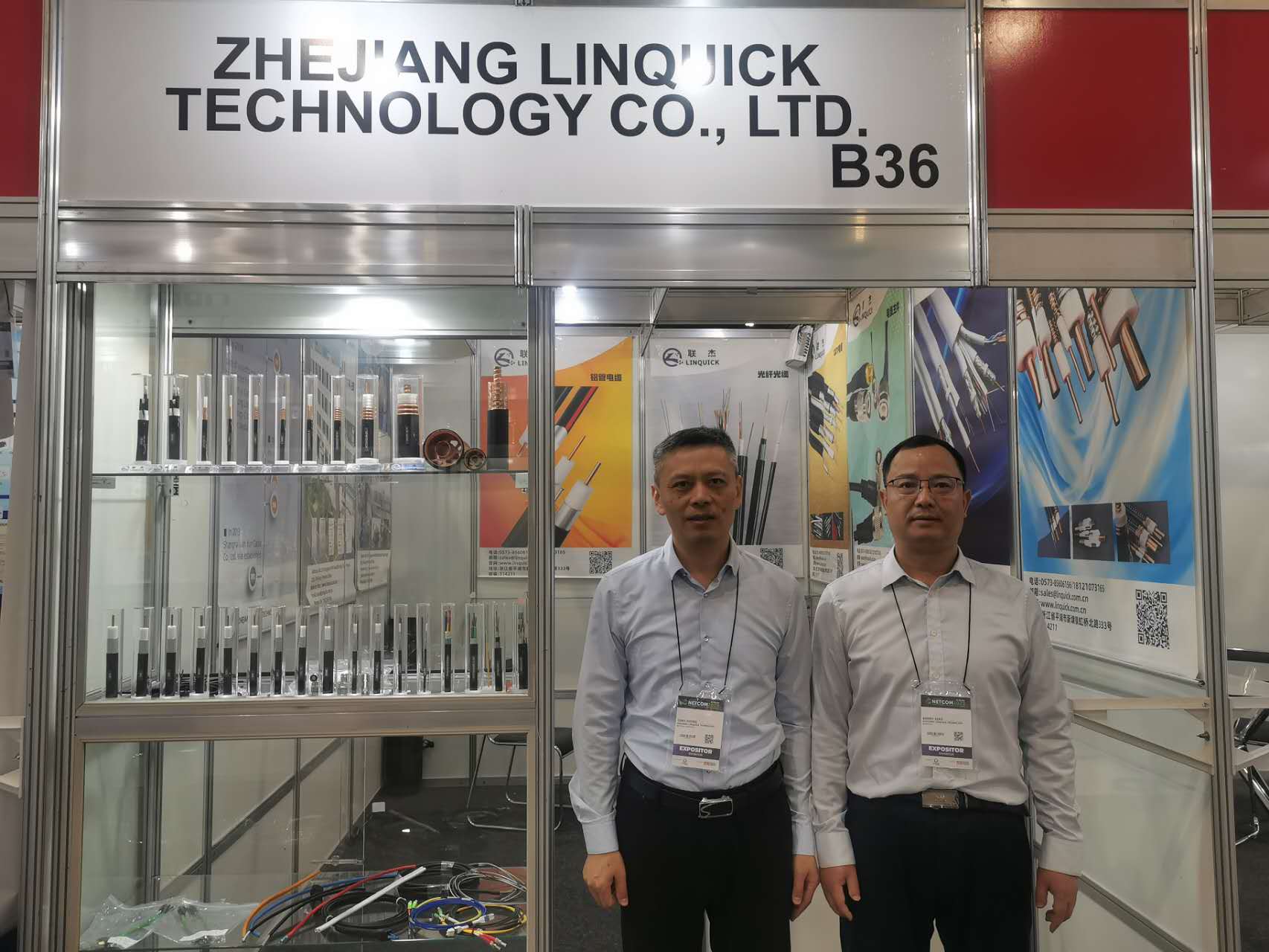 Zhejiang Linquick NETCOM2023 exhibition was successfully held